Spain Travel Guide
Spain is several holidays in one country. Madrid gives you three of the world's great art museums within a short walk and a food scene that runs until well past midnight. Barcelona pairs Gaudí's architecture with a city beach. Andalusia is Moorish palaces, white villages and flamenco; the Basque Country has arguably the best food in Europe; and the Balearics and the Canaries cover everything from quiet coves to year-round winter sun. This guide helps you choose: which region suits which month, 7, 10 and 14-day routes, how to book the Alhambra and the Sagrada Família without getting shut out, Mallorca against the Canaries, realistic costs in euros, the new EES border checks for UK and US travellers, and how to eat on Spanish time.
Best time to visit Spain
Spring (March to May)
The best season for Andalusia and the cities. Seville smells of orange blossom, Easter brings the Semana Santa processions, and you can walk Granada and Córdoba at 25°C instead of 40°C. Easter week is busy and pricey, so book early.
Summer (June to August)
Beach time on the Costa Blanca, Costa del Sol and the Balearics, and the best season for the green north and San Sebastián. Inland Andalusia and Madrid get very hot in July and August, so plan sightseeing for the morning and evening.
Autumn (September to October)
Arguably the sweet spot: the Mediterranean is at its warmest, school holidays are over and prices drop. October is ideal for a Seville-Granada-Córdoba trip, and still warm enough to swim in the south.
Winter (November to February)
Low season on the mainland coast and most Balearic hotels close, but it's peak time in the Canaries, where it's 20–23°C. Madrid, Barcelona and Seville make cheap, uncrowded city breaks with crisp, sunny days.
Spain weather by month
Approximate average daytime highs in Seville and sea temperatures off Málaga (°C). Madrid is a few degrees cooler and much colder at night in winter; Barcelona and Valencia sit between the two. The Canaries are warm all year: highs of about 21°C in January to 28°C in August, with the Atlantic at 19–23°C.
| Month | Seville | Mediterranean (Málaga) | Notes |
|---|---|---|---|
| January | 16° | 15° | Cool in Madrid, mild in Andalusia. Canaries at their busiest: 21–22°C and sunny. Cheap city breaks. |
| February | 18° | 15° | Almond blossom on Mallorca, carnival in Cádiz and Santa Cruz de Tenerife. Good for Seville and Granada. |
| March | 22° | 15° | Valencia's Fallas (15–19 March). Andalusia warms up; orange blossom scent in Seville by the end of the month. |
| April | 24° | 16° | Semana Santa processions and Seville's April Fair. Perfect touring weather; book Easter early. |
| May | 28° | 18° | One of the best months: warm, green and long evenings. Córdoba's patio festival. Sea still fresh. |
| June | 33° | 21° | Beach season begins. Hot inland by late June; ideal on the Basque coast and the Balearics. |
| July | 36° | 23° | Seville and Córdoba often top 40°C. Head for the coast, the islands or the cooler north. |
| August | 36° | 24° | Peak of school holidays, highest prices on the coast. Many Madrid businesses close for part of the month. |
| September | 32° | 23° | Warmest sea of the year, crowds thinning. Excellent month for the Balearics and Costa del Sol. |
| October | 26° | 20° | Second spring: perfect for Andalusia and city breaks, still swimmable in the south and the Canaries. |
| November | 20° | 18° | Quiet and green. Most Balearic hotels close; the Canaries' winter season starts. |
| December | 17° | 16° | Christmas lights in Madrid and Málaga, short days. The Canaries are the winter-sun choice. |
Best places to visit in Spain

Madrid2–3 days
The Prado, the Reina Sofía (Picasso's Guernica) and the Thyssen form the 'golden triangle' of art along one boulevard. Spend the evenings tapas-hopping in La Latina and Huertas, watch sunset from the Temple of Debod, and take day trips by fast train to Toledo (33 minutes) or Segovia.
Barcelona3 days
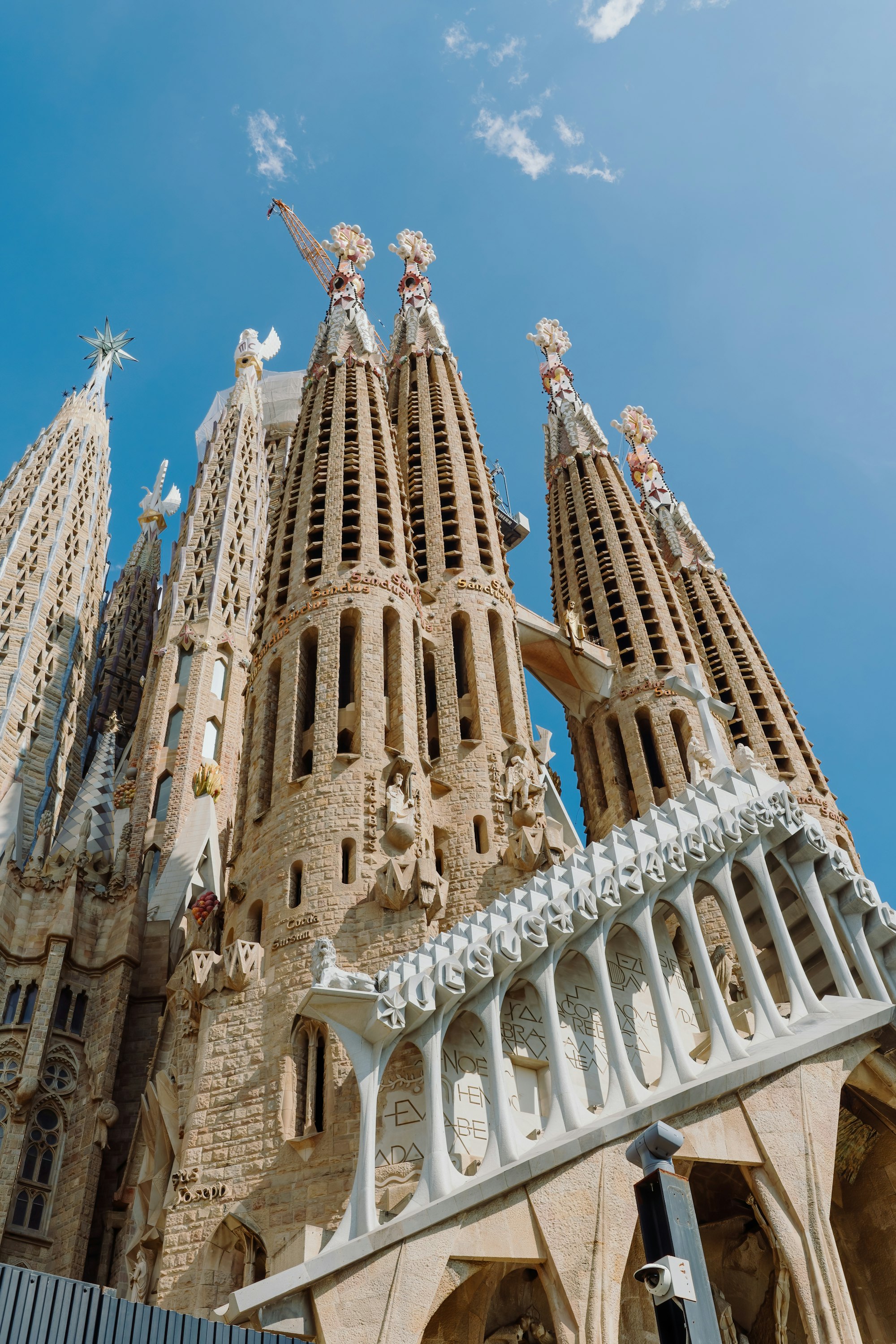
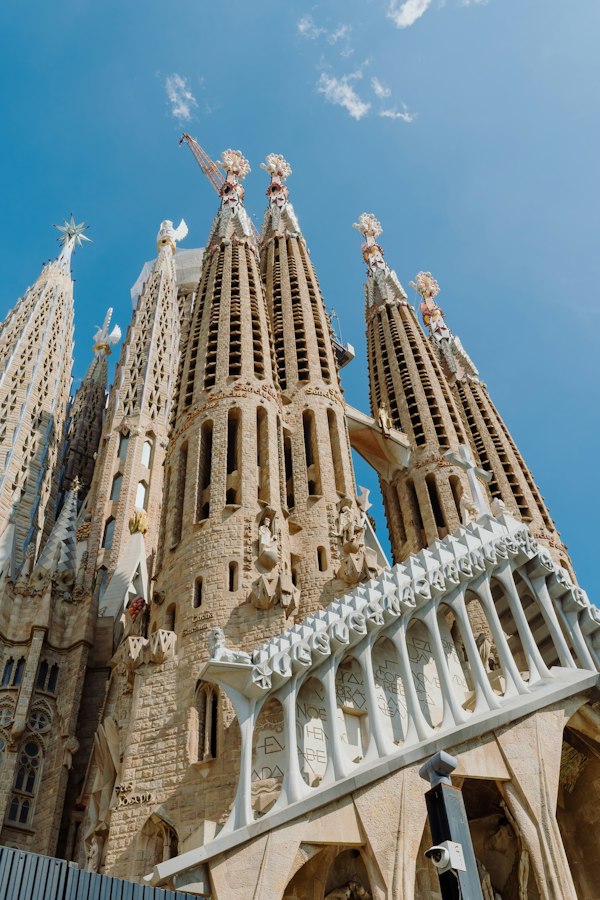
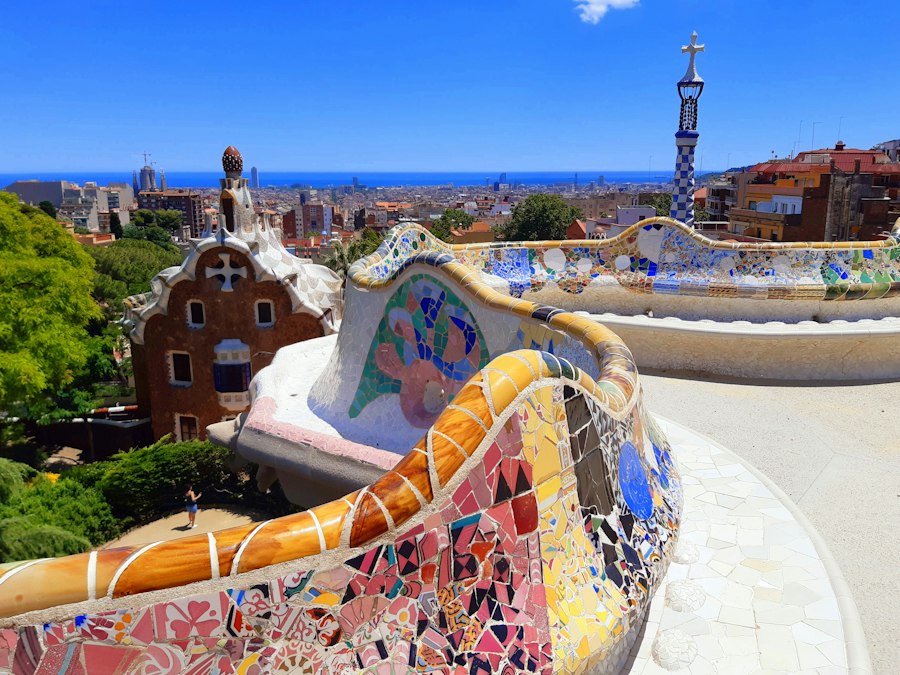
The Sagrada Família, finally at its full height in 2026, plus Park Güell, Casa Batlló and La Pedrera. Wander the Gothic Quarter and El Born, eat at La Boqueria or Sant Antoni market, and swim at Barceloneta or the quieter beaches further up at Bogatell.
Seville2–3 days
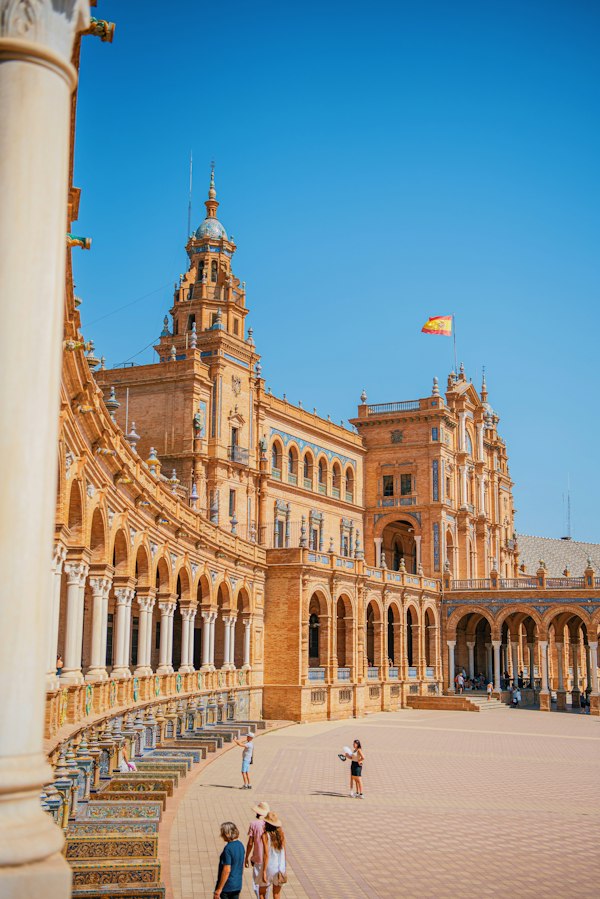
Andalusia's capital: the Real Alcázar palace, the cathedral and Giralda tower, the Plaza de España and the tapas bars of Triana. Evening flamenco is better here than anywhere. Córdoba's Mezquita is only 45 minutes away by fast train, an easy day trip.
Granada2 days
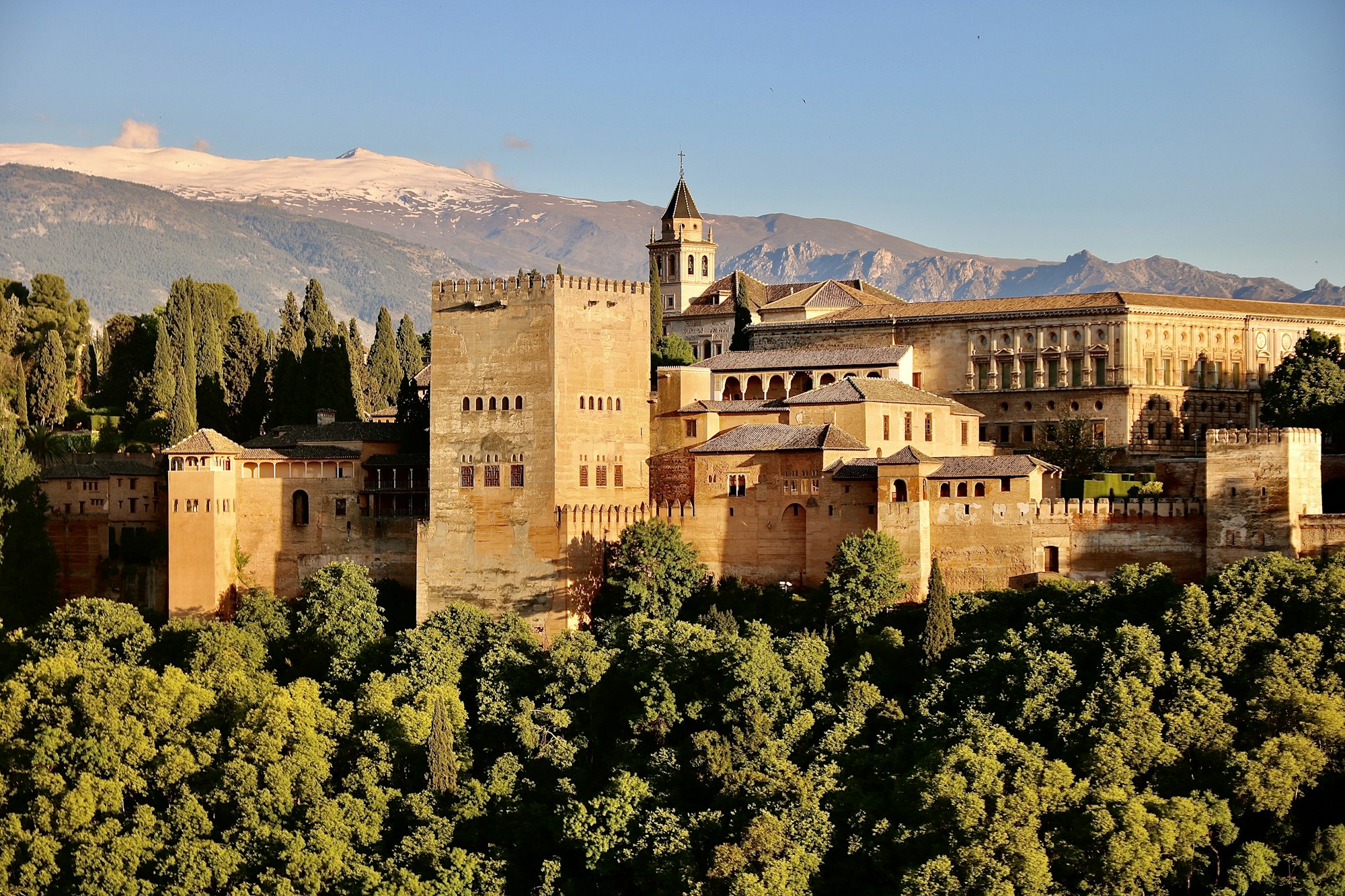
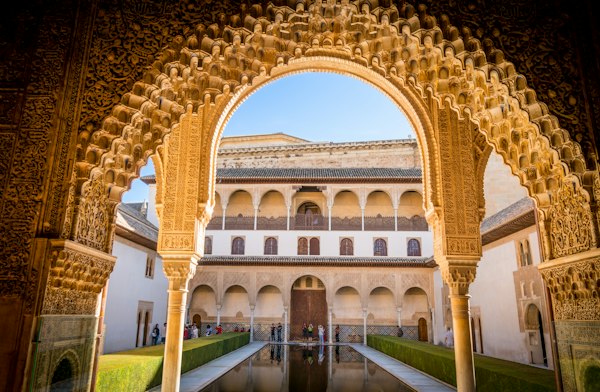
The Alhambra is the reason most people come, and it deserves a full morning. Then climb the Albaicín quarter to the Mirador de San Nicolás for sunset over the palace with the Sierra Nevada behind it. Many bars still give you a free tapa with every drink.
Málaga and the Costa del Sol2–5 days
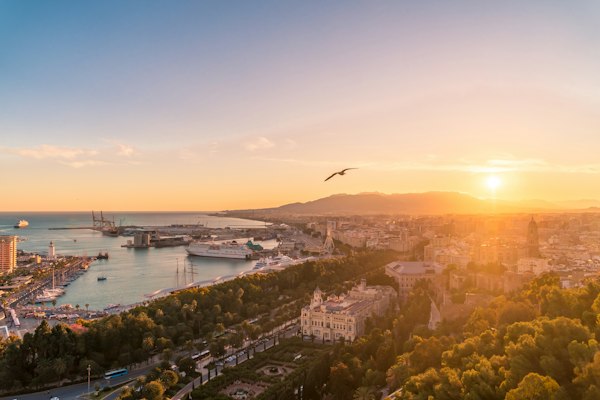
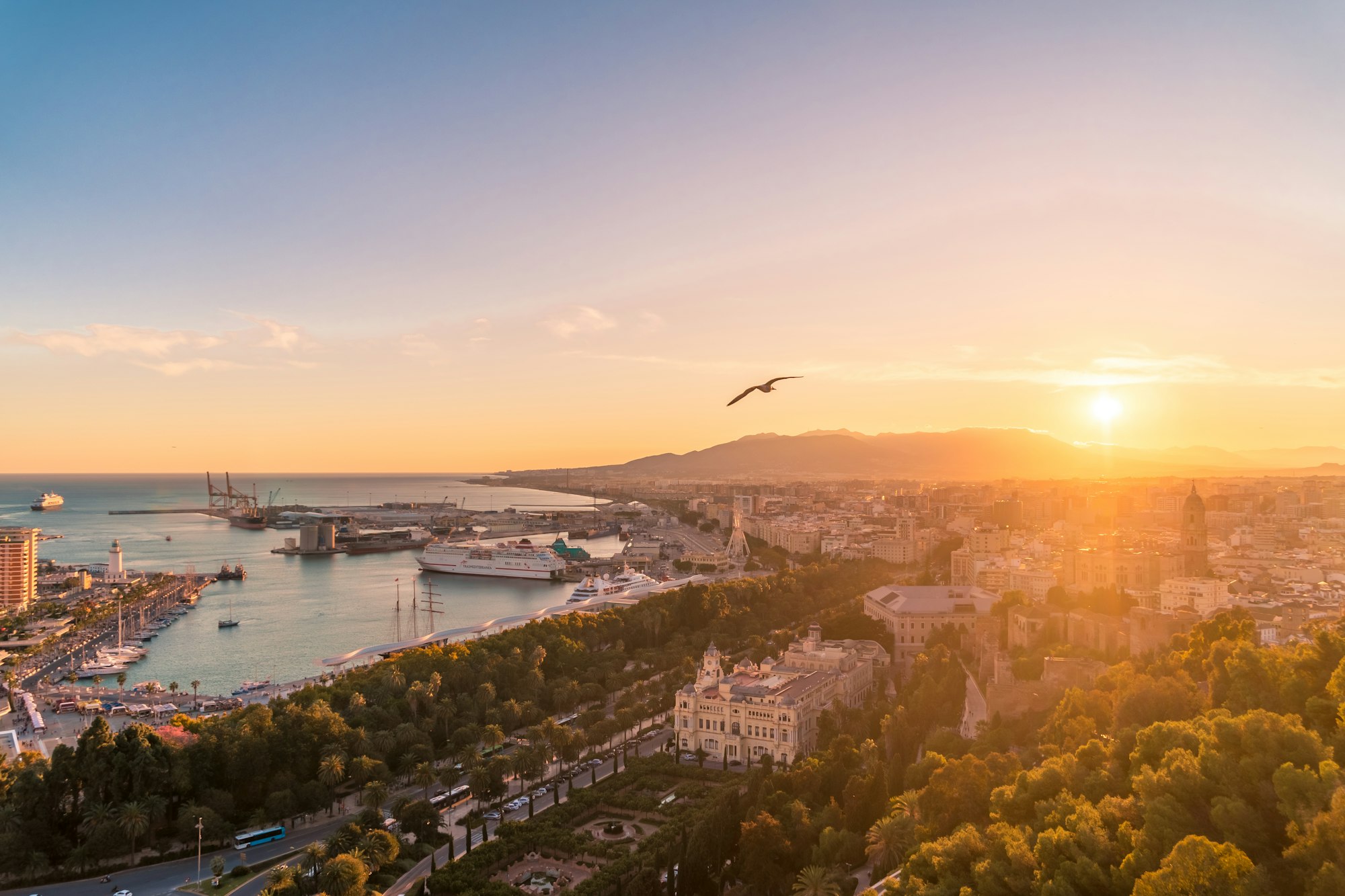
Málaga has become a city break in its own right: the Picasso Museum, the Alcazaba fortress, a revived port and a city beach. West along the coast are Marbella, Estepona and Nerja's caves to the east; Ronda's gorge is a classic day trip inland.
Valencia2 days
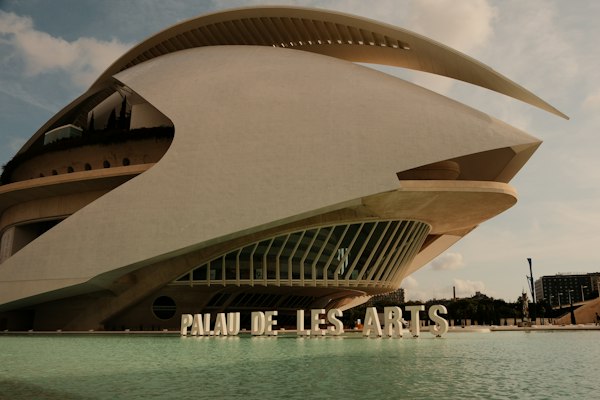
Futuristic City of Arts and Sciences, a 9 km park in an old riverbed, a lively old town and long sandy beaches. Valencia is the home of paella: eat it at lunchtime near Malvarrosa beach or in El Palmar by the Albufera lagoon. Southwards lie Benidorm, Alicante and the Costa Blanca.
Mallorca5–7 days
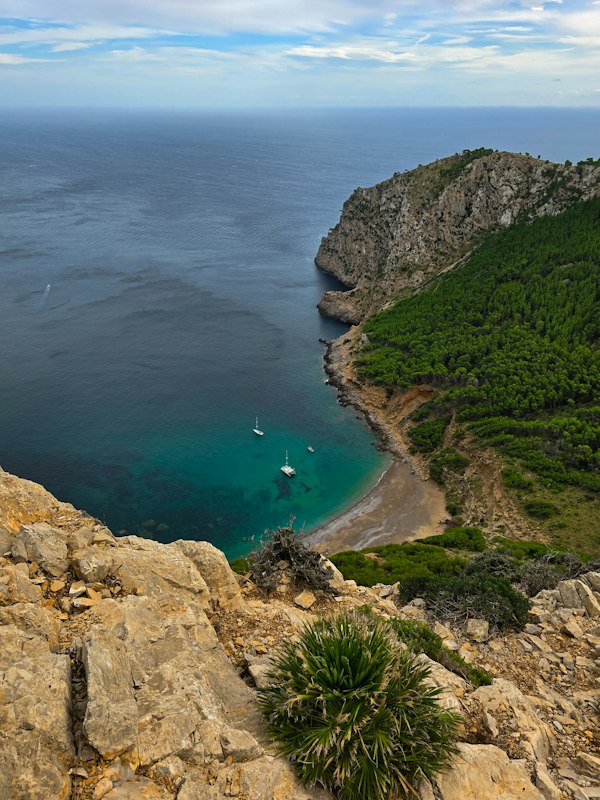
The largest Balearic island is far more than its party strips: Palma's cathedral and old town, the Serra de Tramuntana mountains (UNESCO-listed), the old train to Sóller and dozens of pine-fringed coves on the east and south coasts. Hire a car to get the most from it.
Tenerife5–7 days
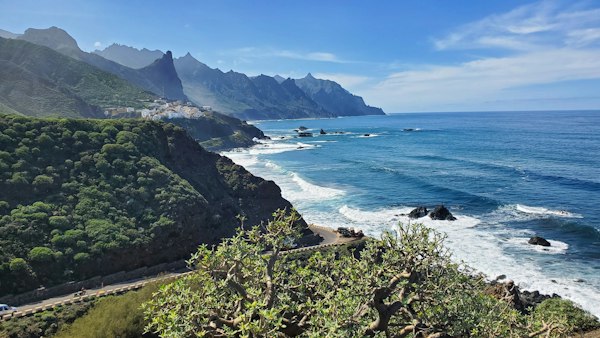
The biggest of the Canary Islands and Spain's winter-sun favourite. The south (Costa Adeje, Los Cristianos) is sunniest; the north is greener and more local, with La Laguna and the Anaga mountains. Mount Teide, Spain's highest peak at 3,715 m, rises from a volcanic moonscape in the middle.
Spain itineraries: 7, 10 and 14 days
Spain's high-speed trains make a city route easy: Madrid sits at the centre of the network, with Barcelona, Seville, Málaga and Valencia each about 2–2.5 hours away. For the islands, fly or take the ferry and give them at least four nights.
7 days: Madrid, Seville and Granada
The classic first trip: one capital and the highlights of Andalusia. Fly into Madrid and out of Málaga or Seville.
- Days 1–2Madrid
The Prado and Retiro Park on day one, the Royal Palace, Plaza Mayor and La Latina tapas on day two. Sunset at the Temple of Debod.
- Day 3Fast train to Seville
About 2.5 hours by AVE. Afternoon at the Plaza de España and María Luisa Park, dinner across the river in Triana.
- Day 4Seville
Real Alcázar at opening time, then the cathedral and Giralda. Evening flamenco show.
- Day 5Córdoba day trip
45 minutes by train: the Mezquita, the Jewish quarter and the Roman bridge. Back to Seville for dinner.
- Days 6–7Granada
About 2.5 hours by bus or train. Alhambra on the morning of day 6, the Albaicín and San Nicolás viewpoint at sunset. Day 7: the Cathedral and Royal Chapel, then on to Málaga airport (1.5 hours).
10 days: Barcelona, Madrid and Andalusia
Spain's two big cities plus the south. Open-jaw flights (into Barcelona, out of Málaga) save a day.
- Days 1–3Barcelona
Sagrada Família and Casa Batlló, the Gothic Quarter and El Born, Park Güell and Bunkers del Carmel for the view, an afternoon on the beach.
- Day 4Train to Madrid
2.5 hours. The Reina Sofía in the afternoon, dinner in Huertas.
- Day 5Madrid
The Prado, Retiro Park, the Royal Palace. Or a day trip to Toledo.
- Days 6–7Seville
Alcázar, cathedral, Plaza de España, Triana. Day trip to Córdoba if you like.
- Days 8–9Granada
The Alhambra, the Albaicín, a hammam session at the Arab baths.
- Day 10Málaga
Picasso Museum, the Alcazaba and a last swim before flying home.
14 days: cities, the south and an island
The best of mainland Spain plus five days of beach. Swap Mallorca for Tenerife in winter.
- Days 1–3Barcelona
Gaudí, the old town and the beach.
- Days 4–5Valencia
Fast train in about 3 hours. City of Arts and Sciences, Turia park, paella at lunch by the sea.
- Days 6–7Madrid
1 hour 50 by AVE. Art museums, Retiro Park and the late-night tapas scene.
- Days 8–10Seville and Granada
Two nights in Seville with a Córdoba day trip, one night in Granada with an Alhambra morning.
- Days 11–14Mallorca
Fly from Málaga or Seville to Palma (about 1.5 hours). Palma old town, the Sóller train, the Tramuntana and swimming in the eastern coves.
Where to stay in Spain
Stay central in the cities so you can walk home after a late dinner, and choose your island base by mood: busy resort, quiet cove or mountain village.
Barcelona
The Eixample puts you near Gaudí's buildings and the best restaurants; the Gothic Quarter and El Born are atmospheric; Poblenou is close to the beach.
See hotelsExpedia →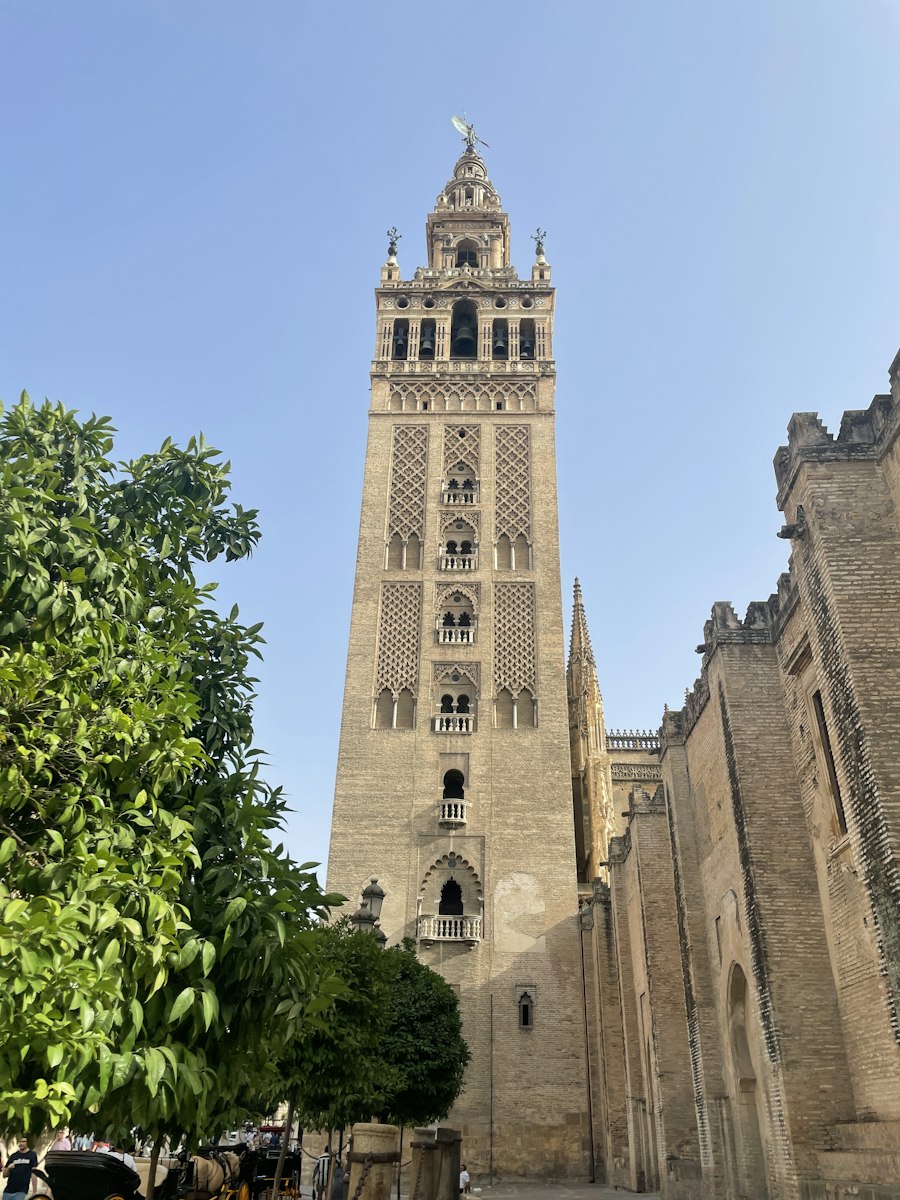
Seville
Santa Cruz and the area around the cathedral for sightseeing on foot, Triana across the river for a more local feel. A rooftop pool helps in summer.
See hotelsExpedia →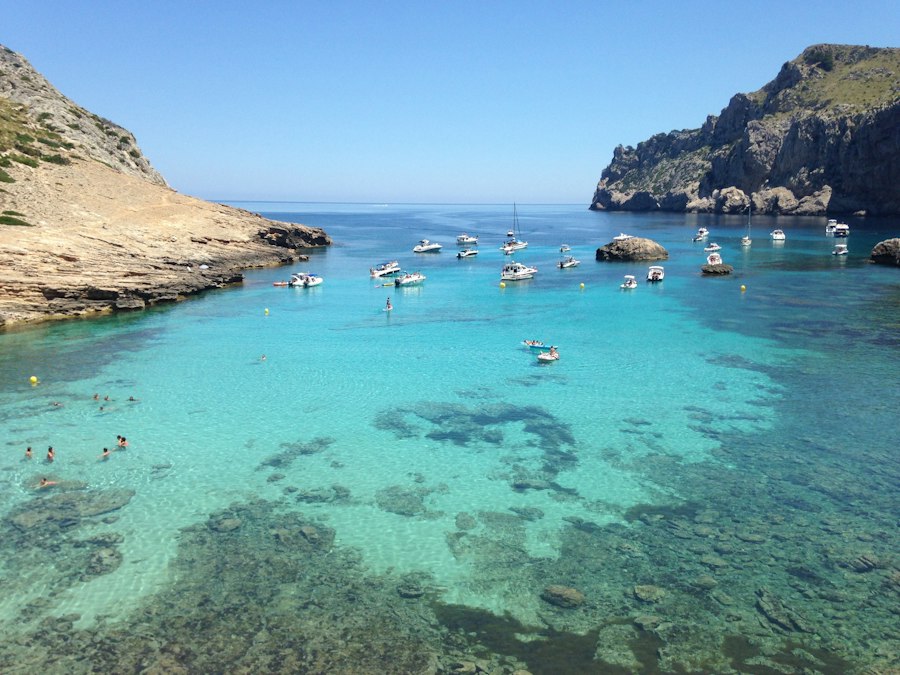
Mallorca
Palma for city life, Sóller or Deià in the mountains, or the calm east coast near Cala d'Or and Cala Millor for families and beaches.
See hotelsExpedia →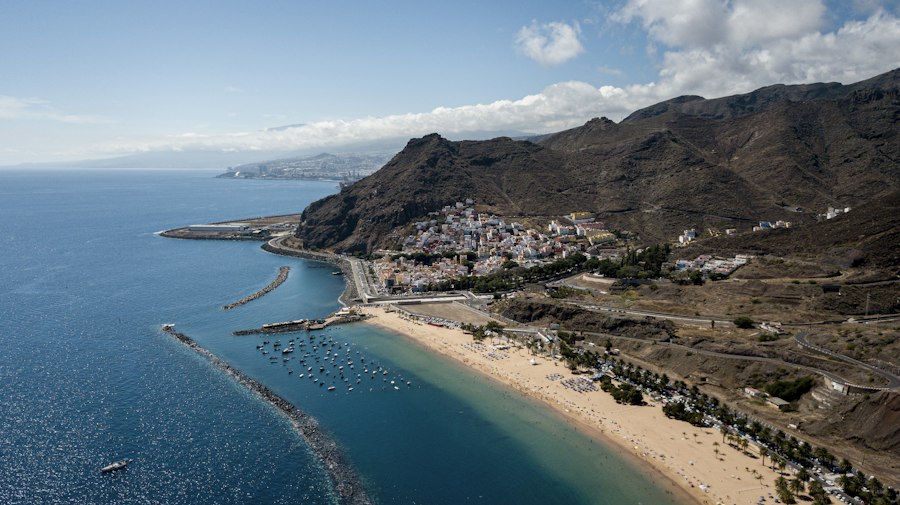
Tenerife
Costa Adeje and Los Cristianos in the sunny south for beaches and resorts; Puerto de la Cruz in the green north for a more traditional town.
See hotelsExpedia →Buying through these links supports these guides.
Which part of Spain, and when?
The most common mistake is treating Spain as one climate. In August, Seville can hit 42°C while San Sebastián sits at a comfortable 25°C; in January, Madrid wakes up near freezing while Tenerife is 22°C and sunny. Match the region to the month and the trip gets much better.
- Andalusia (Seville, Granada, Córdoba): Best March to May and late September to November. Avoid July and August unless you're happy sightseeing at 9am and 9pm only.
- Madrid and Barcelona: Good all year. Spring and autumn are ideal; winter brings cheap flights and sunny days; August is hot and some local restaurants close for holidays.
- Costa del Sol and Costa Blanca: Swimming from June to October. The Costa del Sol is mild enough in winter for walks and golf, which is why so many people from northern Europe overwinter there.
- Balearics (Mallorca, Ibiza, Menorca): May to October. June and September give warm seas without peak prices. From November to March many hotels and restaurants close.
- Canary Islands: All year, and the only place in Spain for reliable beach weather from November to March. Summer is busy too, with Spanish families on holiday.
- Basque Country and the north: June to September. Greener and rainier than the south, with the best food in the country: San Sebastián's pintxos bars, Bilbao's Guggenheim and the Picos de Europa.
Mallorca, Ibiza, Menorca or the Canaries?
The Balearics are Mediterranean: calm turquoise water, pine forests and summer-only seasons. The Canaries sit off the coast of Africa in the Atlantic: volcanic landscapes, rougher seas, and spring-like weather all year. From the UK the Balearics are about 2–2.5 hours' flight, the Canaries about 4–4.5.
- Mallorca: The all-rounder: a real city (Palma), mountains for hiking and cycling, and the most beautiful coves. Great for couples and families. Book July and August months ahead.
- Menorca: Quieter and greener, with protected beaches like Cala Macarella and Cala Turqueta. Best for slow beach days and families with young children.
- Ibiza: World-famous clubs from June to September, but also a UNESCO-listed old town (Dalt Vila), calm northern coves and a day trip to Formentera's Caribbean-blue beaches.
- Tenerife: The most varied Canary island: Teide National Park, whale-watching off Los Gigantes, the old town of La Laguna and big resorts in the south. The best choice for a first winter-sun week.
- Gran Canaria: Sand dunes at Maspalomas, the lively capital Las Palmas with Las Canteras beach, and dramatic mountain villages in the interior.
- Lanzarote and Fuerteventura: Lanzarote is black lava fields and César Manrique's art and architecture; Fuerteventura has the longest white beaches and steady wind, popular with kitesurfers. Both are drier and windier than Tenerife.
Alhambra and Sagrada Família: how to book
These are Spain's two most visited monuments, and both are routinely sold out in spring and autumn. Don't plan to buy on the day.
The Alhambra releases tickets on the official Patronato site about three months ahead; the general ticket costs around €20. Tickets are named and you must show the passport or ID you booked with. Your ticket includes a fixed half-hour slot for the Nasrid Palaces, and latecomers are not let in, so arrive at the complex at least an hour before it. If official tickets are gone, a guided tour that includes entry is the reliable alternative.
- Alhambra tips: Choose a morning slot for the Nasrid Palaces and see the Generalife gardens and the Alcazaba afterwards. Allow three to four hours. The night visit to the palaces is magical and easier to get.
- Sagrada Família: Timed tickets from €26, or €36 with a tower. The central Tower of Jesus Christ was completed in 2026, making it the world's tallest church. Morning light floods the stained glass on the east side, afternoon light the west.
- Also book ahead: Park Güell (timed entry), Seville's Real Alcázar, Córdoba's Mezquita in spring, and the Teide summit permit if you want to hike to the top on Tenerife.
Food and eating on Spanish time
Spaniards eat late, and the kitchen follows. Lunch is the main meal, roughly 2pm to 4pm; dinner rarely starts before 9pm, and in Madrid or Seville restaurants are busiest from 10pm. If you sit down at 6pm you'll eat alone in a tourist restaurant, so do as locals do: a light breakfast, a late long lunch, tapas around 8pm and dinner after 9.
- Menú del día: On weekdays, most local restaurants offer a set lunch with starter, main, dessert, bread and a drink for about €13–18. The best-value meal in Spain.
- Tapas and pintxos: Order a few small plates each and move on to the next bar. In Granada and parts of Andalusia a tapa comes free with each drink; in San Sebastián pintxos are lined up on the counter.
- What to try: Jamón ibérico, salmorejo and gazpacho in the south, paella in Valencia (lunch only), pulpo in Galicia, cochinillo in Segovia, churros with chocolate in Madrid, papas arrugadas with mojo on the Canaries.
- Siesta: In smaller towns and in the south, many shops close from about 2pm to 5pm and reopen until 8–9pm. Big chains and city centres in Madrid and Barcelona stay open.
Travelling smoothly in Spain
Spain is one of Europe's easiest countries to travel: excellent trains, good roads and safe, lively streets late into the night. A few practical points help.
- Busy places: As in any big city, keep bags zipped and in front of you on Las Ramblas, the Barcelona and Madrid metro and at crowded viewpoints, and don't leave your phone on a café table.
- Tourist taxes: Barcelona charges up to €12 per person per night since April 2026 (regional tax plus city surcharge, depending on hotel category). The Balearics' ecotax is about €1–4 per night from May to October. Other cities are adding their own, so budget a few euros a night.
- Tipping: Not expected. Round up or leave 5–10% for good service in a restaurant.
- Driving: Motorways are excellent; some are tolled. A car is the best way to see Mallorca, the Canaries and the white villages of Andalusia, but skip it in Madrid and Barcelona.
- Festivals: Semana Santa, Seville's April Fair, Valencia's Fallas and Pamplona's San Fermín (6–14 July) fill hotels months ahead and push prices up.
San Sebastián and the Basque Country
If food is the main reason you travel, put the north on your list. San Sebastián curves around the scallop-shaped La Concha bay, has more Michelin stars per head than almost anywhere, and an old town packed with pintxos bars. Bilbao, an hour away, has Frank Gehry's Guggenheim; the coast between them hides fishing villages like Getaria and the island chapel of San Juan de Gaztelugatxe.
Fly into Bilbao, or reach the region by train from Madrid in about 5 hours. It's at its best from June to September, when the rest of Spain is too hot.
Before you go
Entry for UK and US travellers
No visa for stays of up to 90 days in any 180 across the Schengen area (and that total counts every Schengen country). UK passports must have been issued less than 10 years before you arrive and be valid for at least 3 months after you plan to leave. Border officers can ask for your return ticket, accommodation and proof of funds. Check the official source for your passport before booking.
EES and ETIAS
Since 10 April 2026, the EU's Entry/Exit System registers non-EU travellers' fingerprints and a photo at the first border crossing, so allow extra time at passport control. The ETIAS travel authorisation (expected to cost €20) won't start before 2027; there's nothing to apply for yet, and only the official EU site will issue it.
Flights
Direct flights from almost every UK airport to Málaga, Alicante, Palma, Barcelona, the Canaries and more, in about 2–4.5 hours. From the US there are nonstop flights to Madrid and Barcelona from New York, Miami, Chicago and other hubs.
Money, plugs and phone
Spain uses the euro, and cards and contactless are accepted almost everywhere. Sockets are Type C/F (230 V), so UK and US travellers need an adapter. EU roaming rules no longer cover UK networks automatically, so check your plan or use an eSIM. Bring your GHIC (UK) or travel insurance.
Getting around Spain
High-speed trains
Spain has Europe's longest high-speed network. Madrid–Barcelona and Madrid–Seville take about 2.5 hours, Madrid–Valencia about 1 hour 50 and Madrid–Málaga about 2 hours 40. Renfe's AVE competes with Iryo, Ouigo and Renfe's own budget Avlo on main routes, so fares from about €10–20 appear if you book weeks ahead.
Domestic flights
Essential for the islands: Vueling, Iberia, Air Europa, Ryanair and Binter connect the mainland with Palma, Ibiza, Menorca and the Canaries. Barcelona to Palma is under an hour; Madrid to Tenerife about 2.5 hours.
Ferries
Overnight and fast ferries link Barcelona, Valencia and Dénia with Mallorca, Ibiza and Menorca, and the Balearic islands with each other. In the Canaries, Fred. Olsen and Naviera Armas run regular inter-island routes.
Buses and cars
ALSA buses cover routes without fast trains, such as Granada–Málaga. Hire a car for the islands, the Andalusian white villages and the north coast; skip it in the big cities, where metros are cheap and fast.
How much does a trip to Spain cost?
Budget
€70–110 / day- Hostels or simple pensiones
- Menú del día at lunch, tapas for dinner
- Budget trains booked early, metro and buses
Mid-range
€140–250 / day- 3–4★ hotels in central locations
- Restaurant dinners with wine
- AVE trains, museum and Alhambra tickets
Luxury
€350+ / day- Boutique hotels, paradores and beach resorts
- Tasting menus in San Sebastián or Barcelona
- Private guides and car hire
What to pack for Spain
Universal travel adapter
Spain uses European two-pin sockets; UK and US plugs won't fit.
View on AmazonAmazon →High-SPF sunscreen
The Andalusian summer sun and the Canaries' sun, even in winter, are stronger than they feel in the breeze.
View on AmazonAmazon →Water shoes
Many Mallorca and Menorca coves and the lava beaches of the Canaries are rocky underfoot.
View on AmazonAmazon →Dry bag
For boat trips to Formentera, coves only reachable by sea and whale-watching trips off Tenerife.
View on AmazonAmazon →Zipped cross-body bag
Keeps phone and cards close at hand on busy streets, markets and the metro.
View on AmazonAmazon →Buying through these links supports these guides.
Book before you go
The Alhambra sells out weeks ahead in spring and autumn. A guided tour with guaranteed entry is the surest way in if official tickets are gone.
Spain eSIM
Be online from landing for maps, train tickets and restaurant bookings, without UK or US roaming charges.
Get an eSIMAiralo →Buying through these links supports these guides.
Spain travel tips
Book trains early
Fares on Madrid–Barcelona and Madrid–Seville rise sharply close to departure. Compare AVE, Avlo, Iryo and Ouigo.
Eat lunch big
The menú del día is the best value meal in Spain; dinner can then be a few tapas.
Free museum hours
The Prado and Reina Sofía are free in the last two hours on most days; expect a queue.
Sundays are quiet
Many shops close on Sundays outside tourist areas; museums and restaurants stay open.
Carry ID
Keep your passport (or a copy) with you; you need the original for the Alhambra.
Water
Tap water is safe across mainland Spain; ask for 'agua del grifo'.
Spain travel FAQ
What is the best time to visit Spain?
April to June and September to October suit most trips: warm, sunny and less crowded. For pure beach holidays, June to September on the Mediterranean; for winter sun, the Canary Islands from November to March.
How many days do you need in Spain?
7 days is enough for Madrid and two Andalusian cities. With 10 days add Barcelona; with 14 add Valencia and a few days on Mallorca or the coast.
Mallorca or the Canary Islands?
Mallorca from May to October for calm, turquoise coves, mountains and Palma. The Canaries for warm weather all year, especially in winter, with volcanic scenery and Atlantic waves. Flights from the UK are about 2 hours to Mallorca and 4–4.5 hours to the Canaries.
How much does a week in Spain cost?
Roughly €500–750 per person on a budget, €1,000–1,700 mid-range and over €2,500 for luxury, excluding flights. Barcelona, Madrid and the islands in summer cost the most; inland Andalusia and the Canaries in summer are cheaper.
Do UK citizens need a visa for Spain?
No, for stays up to 90 days in any 180 within the Schengen area. Since April 2026 you'll register fingerprints and a photo at the border under the EES. ETIAS won't apply before 2027.
Do I need an adapter for Spain?
Yes, if you're coming from the UK, Ireland or North America. Spain uses Type C and F two-pin sockets at 230 V.
Is Barcelona or Madrid better for a first visit?
Barcelona if you want Gaudí and a beach; Madrid for art museums, food and nightlife. They're 2.5 hours apart by train, so most first trips include both.
Do I need to book the Alhambra in advance?
Yes. Tickets are released about three months ahead and often sell out weeks in advance. Book on the official site, bring the passport you used, and be on time for your Nasrid Palaces slot.

Planning a trip to Spain?
If you'd like help planning your route, from Madrid and Andalusia to Mallorca or the Canaries, I'm here.
Work with me