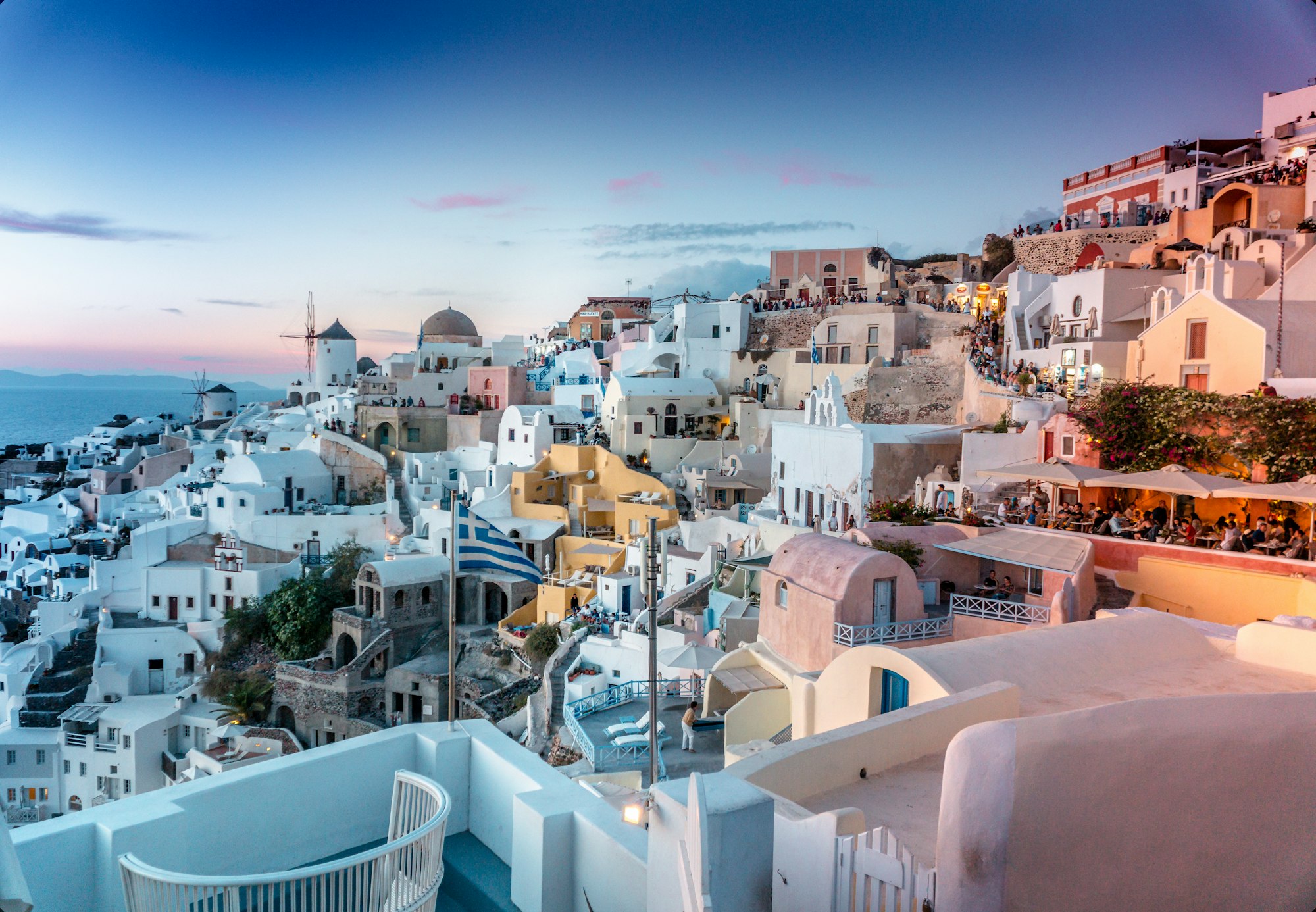
Greece travel guide: islands, Athens and the mainland
Greece has around 6,000 islands and islets, of which about 200 are inhabited, so the real question is not whether to go but which Greece you want. The Cyclades give you whitewashed villages and windy, bright beaches; Crete is big enough for a fortnight on its own; the Ionian islands are green and gentler; and the mainland adds Athens, the monasteries of Meteora and the ancient sites of the Peloponnese. This guide helps you choose islands that suit your trip, build a ferry route that actually works, see the Acropolis without queuing in the midday heat, and budget for 2026 prices, including the new cruise and accommodation fees.
Best time to visit Greece
Late May to June
Our pick for most trips: warm sea by June, long evenings, every ferry route running and prices below the July peak.
July and August
Hot (often 35°C+ in Athens), lively and expensive. Great for nightlife and guaranteed beach weather; book ferries and rooms months ahead.
September to mid-October
The sea is at its warmest, the light softer and crowds thinner. Ideal for island-hopping and hiking in Crete or Naxos.
November to April
Athens, Thessaloniki, Meteora and the Peloponnese without crowds. Most of the smaller islands are asleep and ferries run less often.
Greece weather by month
Approximate average daytime highs in Athens and sea temperatures in the Cyclades (°C). Crete and Rhodes are a couple of degrees warmer in spring and autumn; Meteora and Thessaloniki are cooler in winter.
| Month | Athens | Aegean (Cyclades) | Notes |
|---|---|---|---|
| January | 13° | 16° | Quiet, mild Athens with short queues at the Acropolis. Most island hotels are closed. |
| February | 14° | 15° | Cheapest month to fly. Crete and Athens are fine for sightseeing; ferries run a reduced timetable. |
| March | 17° | 15° | Almond blossom and green hills. Good for Athens, Delphi and the Peloponnese, too cold to swim. |
| April | 20° | 16° | Orthodox Easter often falls in April (2 May in 2027): lamb roasts, candlelit processions, busy ferries that weekend. |
| May | 25° | 18° | One of the best months: warm, wild flowers, island hotels open, prices still below summer levels. |
| June | 30° | 21° | Long days and swimmable sea. Book ferries and Santorini hotels well ahead. |
| July | 33° | 23° | Peak heat and crowds. The meltemi wind cools the Cyclades but can cancel fast ferries. |
| August | 33° | 24° | Busiest month; 15 August is a national holiday and Greeks head to the islands too. Book everything early. |
| September | 29° | 23° | Many travellers' favourite: the sea is at its warmest, crowds thin after the first week. |
| October | 24° | 21° | Still beach weather in Crete, Rhodes and the south. Some smaller island hotels close at the end of the month. |
| November | 19° | 19° | Rainier and calm. City breaks in Athens and Thessaloniki, olive harvest in the countryside. |
| December | 15° | 17° | Christmas lights in Athens, low prices, mountain villages for a winter break. |
Where to go in Greece

Athens2–3 days
The Acropolis, the excellent Acropolis Museum and the Ancient Agora, then the lanes of Plaka and Anafiotika, the flea market at Monastiraki and dinner in Koukaki or Psyrri. Two full days is right for a first visit; add a third for Cape Sounion at sunset or a day trip to Delphi.

Santorini2–3 days
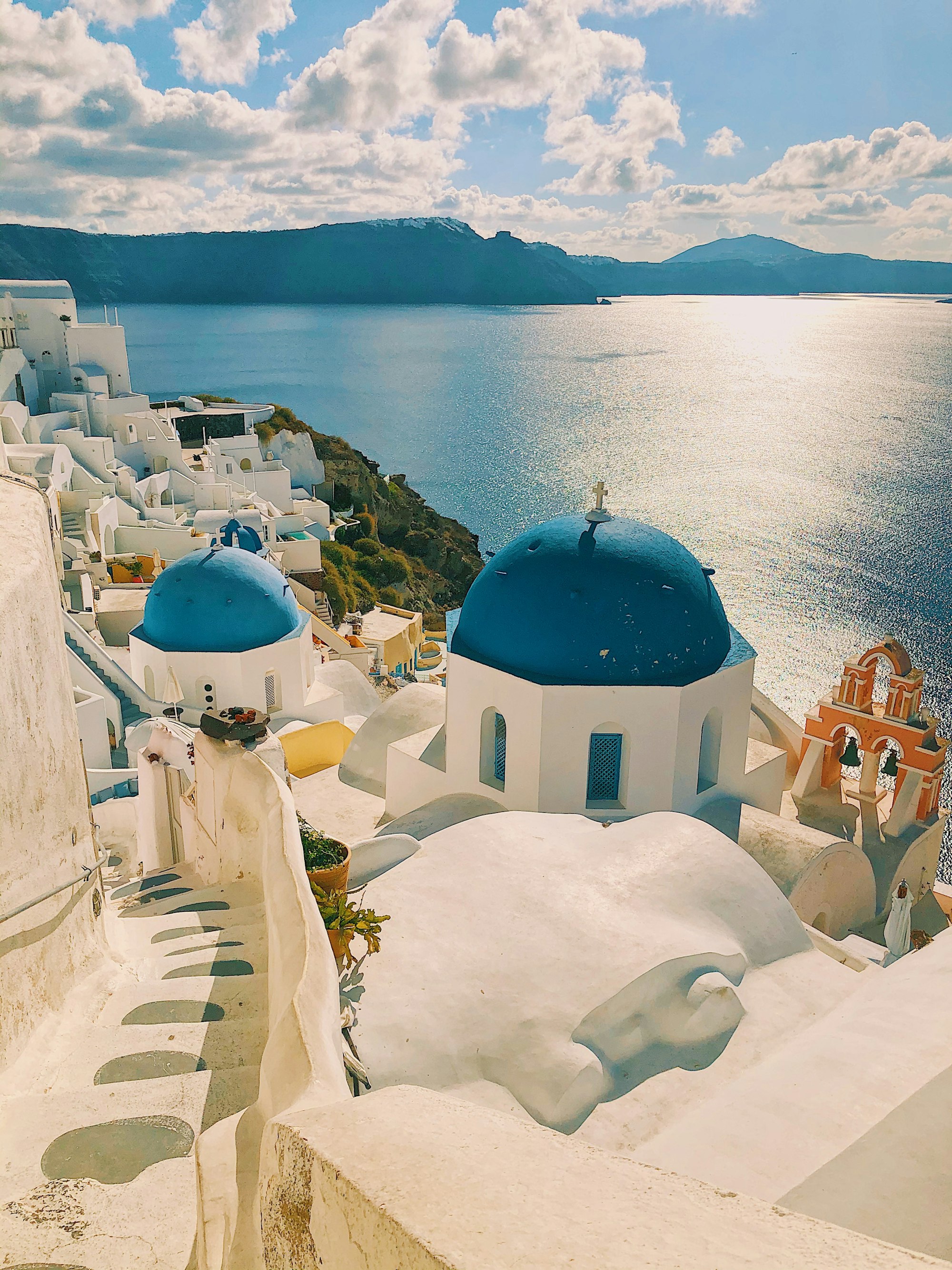
The caldera view is genuinely spectacular. Walk the cliff path from Fira to Oia (about 10 km, 3 hours), swim at the red and black beaches, visit the Bronze Age site of Akrotiri and taste Assyrtiko at a winery. Stay in Imerovigli or Firostefani for the view without Oia's sunset crowds.
Mykonos2 days
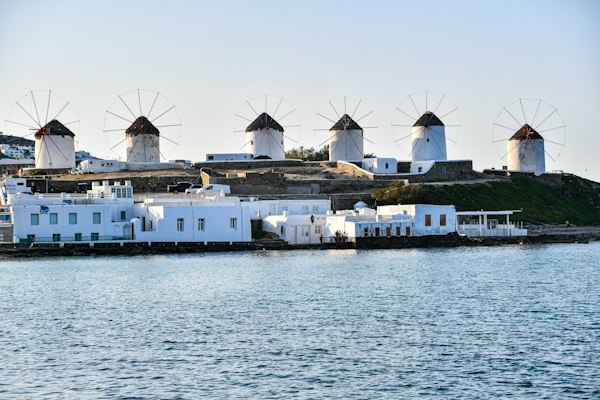
Little Venice at sunset, the windmills, a maze of white lanes in Chora and beaches that range from family-friendly Agios Stefanos to the beach clubs of Psarou and Paradise. Take the boat to the sacred island of Delos (closed Mondays out of season) for one of the most important sites in Greece.
Naxos and Paros3–5 days
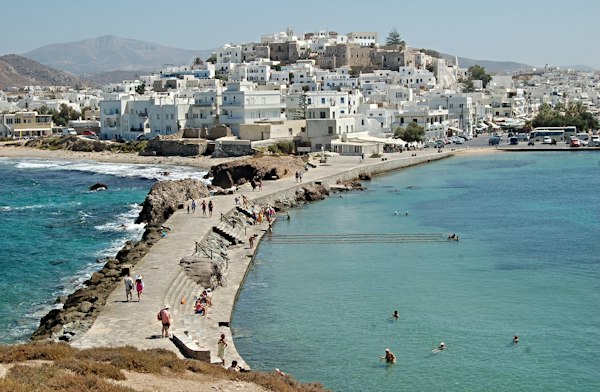
The best-value pair in the Cyclades, an hour apart by ferry. Naxos has long sandy beaches (Plaka, Agios Prokopios), marble mountain villages and excellent cheese and potatoes; Paros has the fishing harbour of Naoussa, the old town of Parikia and a ferry to tiny Antiparos.
Crete5–10 days
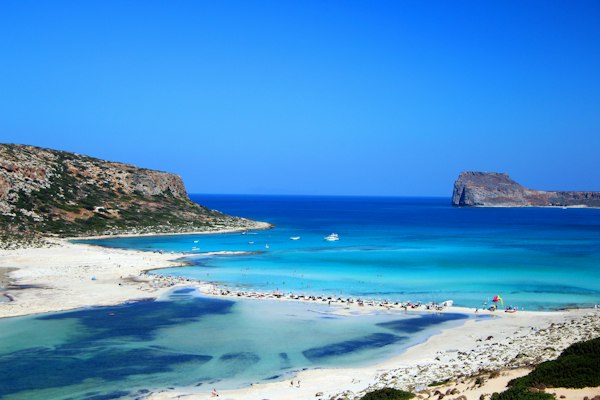
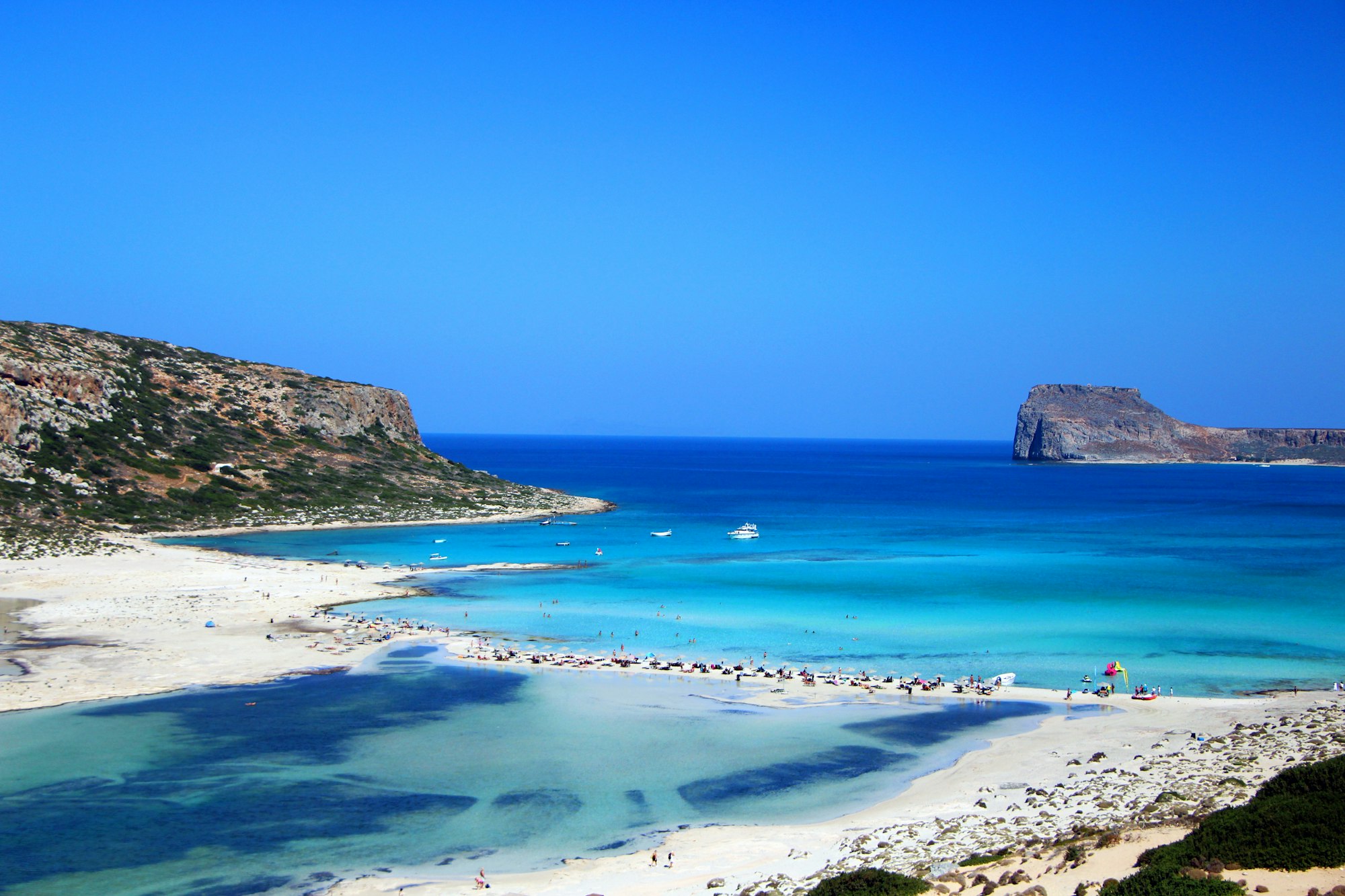
Greece's largest island is a holiday in itself: the Minoan palace at Knossos, Venetian Chania and Rethymno, the Samaria Gorge (about 16 km, open roughly May to October), and the lagoons of Balos and Elafonisi. Rent a car; buses connect the north coast towns but not the best beaches.
Rhodes3–5 days
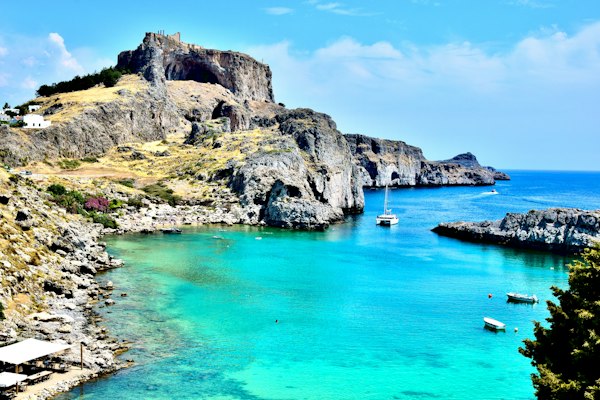
A medieval walled Old Town built by the Knights of St John, the white village and clifftop acropolis of Lindos, and long beaches with one of the longest seasons in Greece. Good for families and an easy jump to Symi by boat.
Corfu4–7 days
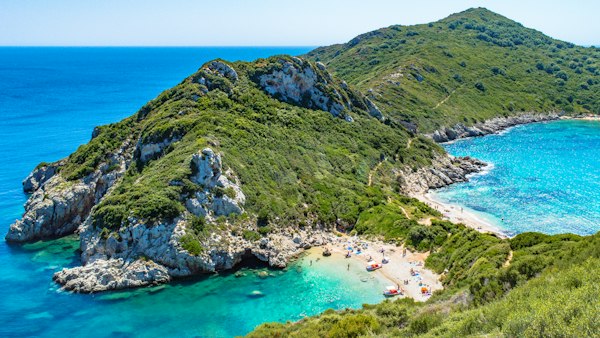
Green, hilly and Venetian rather than Cycladic: an elegant old town with arcades and fortresses, olive groves running down to coves, and the double beach of Porto Timoni. From Corfu, Kefalonia (Myrtos beach, Melissani cave) and Zakynthos (the Navagio shipwreck cove, best seen from the clifftop viewpoint or by boat) complete the Ionian picture.
Meteora1–2 days
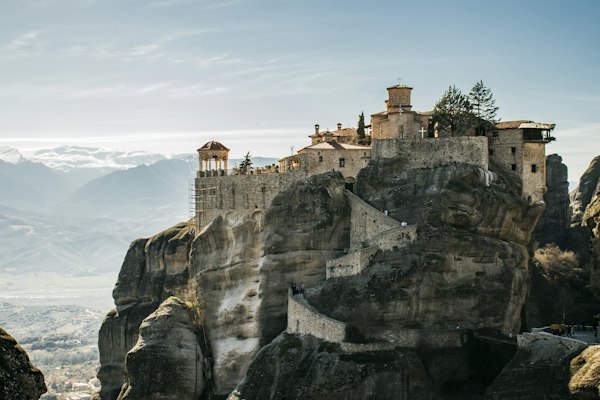
Six working monasteries perched on sandstone towers above Kalambaka. Stay overnight so you can see them at sunrise or sunset when the day-trippers have gone. Each monastery has its own closing day and a small cash entry fee, and shoulders and knees must be covered (wraps are often lent at the door).
Greece itineraries: 7, 10 and 14 days
Distances look small on the map but ferries take time. As a rule, allow at least two nights per island, never change islands every day, and keep a buffer day before your flight home.
7 days: Athens, Naxos and Santorini
The best first taste of Greece: one city, one relaxed island and one famous one.
- Days 1–2Athens
Acropolis at opening time, the Acropolis Museum, Plaka and Anafiotika. Second day: Ancient Agora, the Central Market and a rooftop dinner facing the Parthenon.
- Days 3–4Naxos
Morning ferry from Piraeus (about 4–5 hours by conventional ferry). Beach afternoon at Agios Prokopios, then a drive to the mountain villages of Halki and Apiranthos.
- Days 5–6Santorini
Short ferry to Santorini (around 1.5–2 hours). Hike from Fira to Oia, swim at Perissa or the Red Beach, sunset from Imerovigli.
- Day 7Fly home
Santorini has direct summer flights to many European airports; otherwise fly to Athens (about 45 minutes) and connect.
10 days: Cyclades island-hopping
A circuit with short, reliable crossings and a mix of lively and quiet islands.
- Days 1–2Athens
Acropolis, museum and Plaka; book your first ferry from Piraeus or Rafina in advance in summer.
- Days 3–4Mykonos
Little Venice, the windmills and a morning boat to Delos. Rafina is closer to Athens airport and has shorter sailings than Piraeus.
- Days 5–6Paros
Naoussa harbour, the beaches of Kolymbithres and a day trip to Antiparos.
- Days 7–8Naxos
Sandy beaches, the Portara at sunset and a mountain village lunch. A good place to slow down.
- Days 9–10Santorini
Caldera hike, Akrotiri and a winery. Fly out on day 10, or return to Athens by fast ferry the night before.
14 days: mainland and Crete
History-heavy first week by car, beaches and food in Crete the second.
- Days 1–2Athens
The Acropolis and museum, then pick up a rental car on day 3 at the airport to avoid city driving.
- Day 3Delphi
About 2.5 hours from Athens. Visit the sanctuary late in the afternoon when coach tours have left, sleep in Delphi or Arachova.
- Days 4–5Meteora
About 3.5 hours north. Monasteries at sunrise, a sunset viewpoint and a night in Kalambaka or Kastraki.
- Days 6–7Nafplio and the Argolid
Drive south to Nafplio, the most charming town on the mainland. Day trips to Mycenae and the theatre of Epidaurus.
- Day 8Olympia, back to Athens
Olympia's stadium and museum, then return the car in Athens and take the overnight ferry or a short flight to Heraklion.
- Days 9–14Crete
Knossos and the archaeological museum in Heraklion, Rethymno, then three nights in Chania for Balos, Elafonisi and, in season, the Samaria Gorge. Fly home from Chania or Heraklion.
Where to stay in Greece
Book Santorini and Mykonos first: rooms with a view sell out months ahead. On the other islands and the mainland you have more choice and better value.
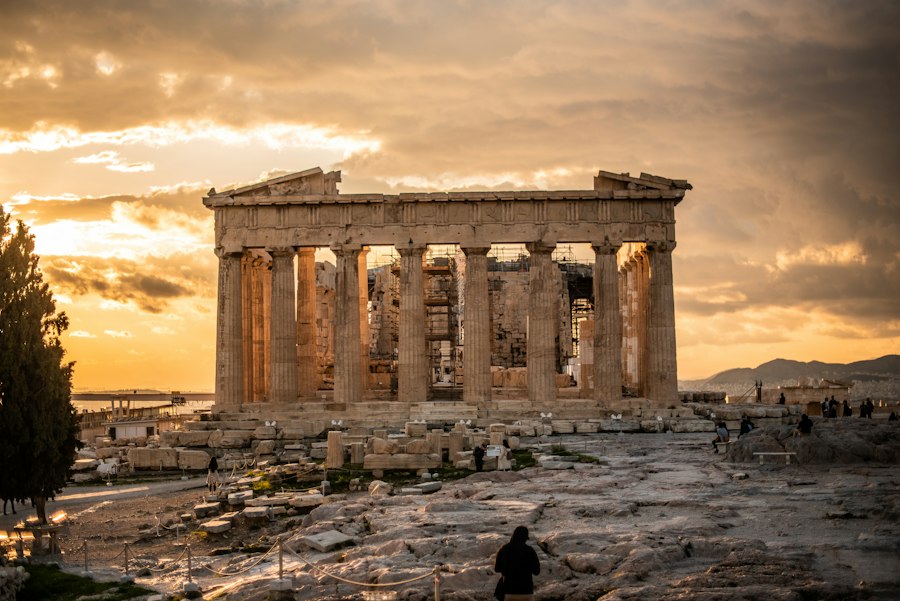
Athens
Plaka, Makrygianni or Koukaki put you within walking distance of the Acropolis; a rooftop terrace with a Parthenon view is worth paying a little more for.
See hotelsExpedia →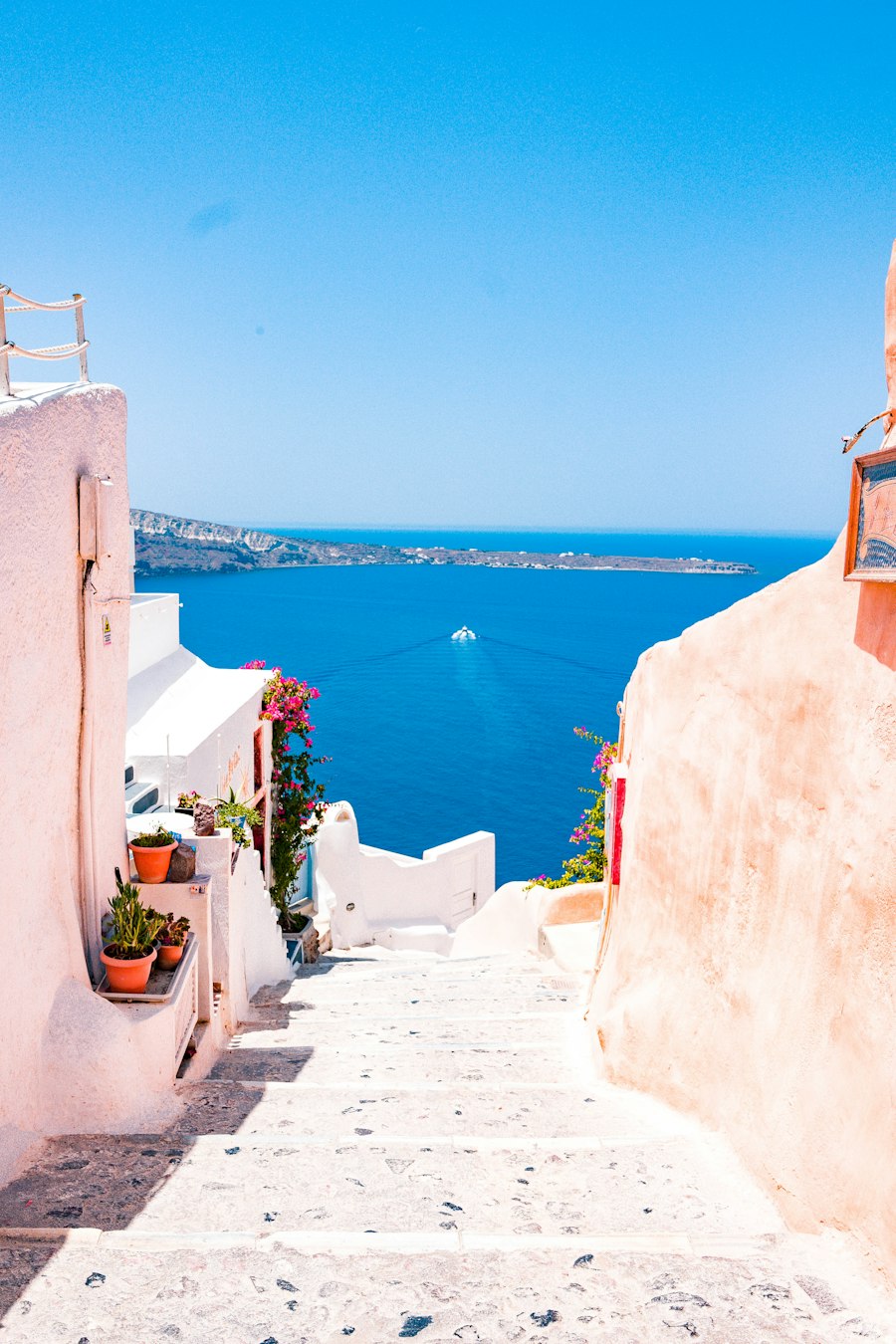
Santorini
Imerovigli and Firostefani for the caldera view with fewer crowds, Oia for the famous sunset, Kamari or Perissa for beaches and lower prices.
See hotelsExpedia →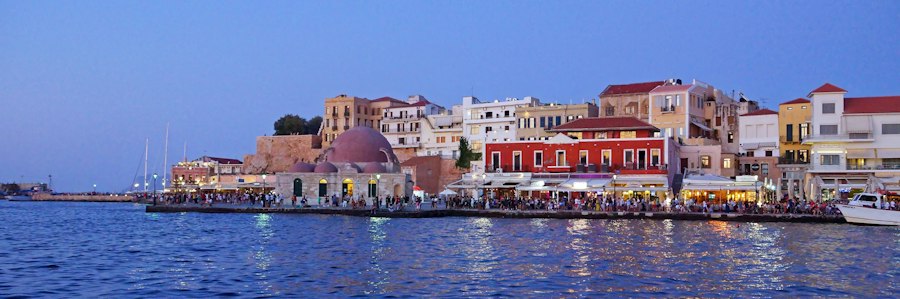
Chania, Crete
The Venetian harbour and old town make Chania the best base for west Crete: Balos, Elafonisi and the Samaria Gorge are all within reach.
See hotelsExpedia →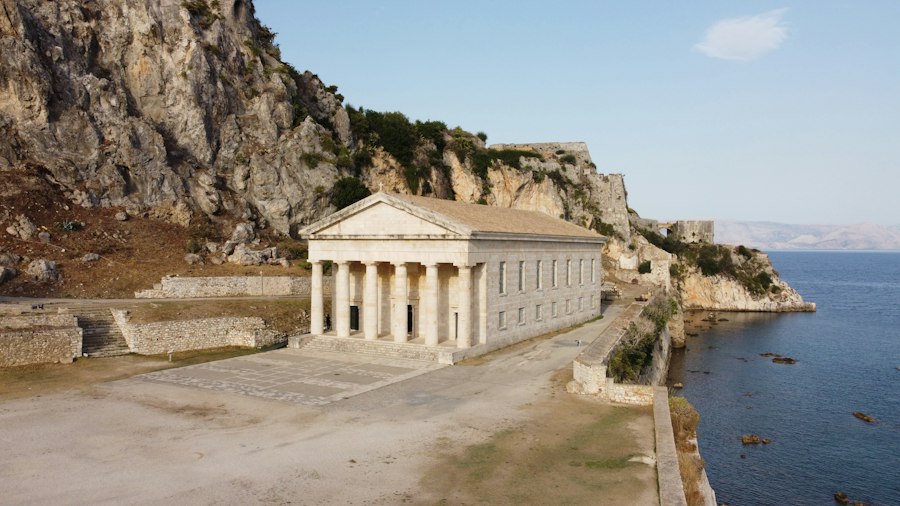
Corfu
Stay in Corfu Town for the old town and fortresses, or in the north-west around Paleokastritsa and Agios Stefanos for coves and quiet.
See hotelsExpedia →Buying through these links supports these guides.
Which Greek island is right for you?
Choose the island for the trip, not the photo. Many travellers come home disappointed from Santorini because they wanted beaches, or from a quiet island because they wanted nightlife. Island groups matter too: hopping is easy within one group, such as the Cyclades, but slow between groups, so pick a group first and islands second.
- First time, want the famous views: Santorini for two or three nights, paired with Naxos or Paros for beaches and better value.
- Beaches and families: Naxos, Crete, Rhodes and Corfu: sandy, shallow water, plenty of space and good tavernas away from the main towns.
- Nightlife and beach clubs: Mykonos, then Ios for a younger crowd. Expect Mykonos prices to be among the highest in Europe in July and August.
- Hiking and food: Crete (gorges, mountain villages) and Naxos (marble paths between villages). Both stay warm into October.
- Green and lush: The Ionian islands: Corfu, Kefalonia, Lefkada and Zakynthos. They have more rain in winter, so pine forests and olive groves instead of the bare Cycladic hills.
- Without a ferry: Crete, Rhodes, Corfu, Kefalonia and Zakynthos all have international airports with direct summer flights from the UK and much of Europe.
Ferries and island-hopping that actually works
Athens has three ports. Piraeus serves most of the Cyclades, Crete and the Dodecanese; Rafina, about 20 minutes from the airport, has shorter crossings to Mykonos, Tinos and Andros; and Lavrio serves Kea and some western Cyclades. Check which port your ferry leaves from, because Piraeus is huge and gates are far apart: allow an hour.
Compare and book on Ferryhopper or the operators' own sites (Blue Star Ferries, Seajets, Golden Star, Minoan Lines). Tickets are electronic. In July and August, book popular routes such as Piraeus to Santorini or Mykonos two to four weeks ahead, and earlier for cars or cabins; out of season you can usually buy a day or two before.
From July to early September the meltemi, a strong dry north wind, blows across the Aegean. It keeps the islands pleasantly cool but makes crossings rough, and small high-speed catamarans are cancelled first. On longer legs, prefer the big conventional ferries: slower, but steadier and rarely cancelled.
- Typical crossing times: Piraeus to Santorini about 5 hours by high-speed ferry or 7–8 hours by conventional ferry; Paros to Naxos under an hour; Naxos to Santorini around 1.5–2 hours; Santorini to Heraklion (Crete) around 2 hours by fast boat.
- Plan a buffer day: Be back on the island with your airport, or in Athens, a full day before an international flight.
- Fly when the map says so: Aegean and Sky Express fly Athens to most islands in under an hour. Between island groups (for example Mykonos to Rhodes or Corfu to Crete) flying via Athens is often faster than any ferry.
- Seasickness: If you're prone to it, sit low and in the middle of a large ferry, and avoid catamarans on windy days.
Athens and the Acropolis: how to do it well
Acropolis tickets cost €30 all year in 2026 (the old winter discount has gone) and every ticket is for a timed entry slot. Buy on the official site, hhticket.gr, or as part of a guided tour, and pick the first slot of the day (8:00) or the last two hours before closing. Sunrise light, cooler stone and fewer groups make the first slot worth an early alarm.
In heatwaves the site may close in the middle of the day, so a morning visit is also the safest plan in summer. Wear shoes with grip: the marble paths are polished and slippery. The Acropolis Museum is separate (€15 April to October, €10 in winter) and best visited after the hill, when you know what you're looking at.
The metro from the airport to Syntagma takes about 40 minutes and costs €9; the X95 express bus is €5.50 and runs around the clock. Within the city you can tap a contactless bank card on the readers.
- Where to stay: Plaka and Makrygianni for walking to the Acropolis, Koukaki for a more local feel and good restaurants, Monastiraki and Psyrri for nightlife.
- Beyond the Acropolis: The Ancient Agora and Temple of Hephaestus, the Roman Agora, the National Archaeological Museum and a sunset walk up Lycabettus or Filopappou Hill.
- Day trips: Cape Sounion's Temple of Poseidon at sunset (about 1.5 hours), Delphi (2.5 hours), or a one-day cruise to Aegina, Poros and Hydra.
Mainland highlights: Meteora, Peloponnese and the north
The mainland is where many visitors find the Greece they didn't expect: mountain roads, almost empty ancient sites outside July and August, and towns where you hear more Greek than English. It's easiest with a rental car; EU and UK photocard licences are accepted, while many other licences, including US ones, need an International Driving Permit.
- Delphi: The sanctuary of Apollo on the slopes of Mount Parnassus, with views down to the Gulf of Corinth. Combine it with Meteora on a two- or three-day loop from Athens.
- Meteora: Trains from Athens to Kalambaka take around 4–5 hours with a change; by car it's about 4 hours. The monasteries are active religious communities, so dress modestly and keep voices low.
- Nafplio: Greece's first capital: Venetian lanes, the Palamidi fortress above town and the little Bourtzi castle in the harbour. A perfect base for Mycenae and Epidaurus, about 2 hours from Athens.
- Olympia and the south: The birthplace of the Olympic Games, then the Mani peninsula's tower villages and the castle town of Monemvasia if you have more days.
- Thessaloniki and Halkidiki: Thessaloniki is Greece's best food city, with Byzantine churches, the White Tower and a long seafront promenade. An hour or so away, the three peninsulas of Halkidiki have pine-fringed beaches; Sithonia is the most beautiful, Kassandra the liveliest.
Eating in Greece: tavernas, ouzeries and what to order
Greek meals are shared: order several plates for the table and add more as you go. Greeks eat late, around 9 or 10 pm in summer, so a taverna that's empty at 7 can be the best one in town by 10. Bread, and often a small dessert or glass of something, is brought to the table; bread may appear as a small charge on the bill.
Tavernas with handwritten menus, family members serving and locals at the tables are usually the safest bet. Fish is sold by weight, so ask for the price per kilo and have the fish weighed before it's cooked.
- Classics to try: Horiatiki (village salad), grilled octopus, moussaka, gemista (stuffed tomatoes), souvlaki and gyros, and slow-cooked kleftiko lamb.
- Island specialities: Fava from Santorini, graviera cheese and potatoes from Naxos, dakos rusks and raki in Crete, and kumquat liqueur in Corfu.
- Meze and ouzo: An ouzeri or mezedopoleio serves small plates with ouzo or tsipouro; a great way to taste a lot for little money.
- Tipping: Not obligatory; rounding up or leaving 5–10% for good service in a restaurant is appreciated, ideally in cash.
Travelling smoothly in Greece
Greece is one of Europe's most relaxed and welcoming countries to travel in. A few local habits and recent rule changes are worth knowing before you go.
- Accommodation fee: Hotels and rentals add a nightly climate resilience fee per room: from April to October €2 (1–2 stars), €5 (3 stars), €10 (4 stars) and €15 (5 stars), much less in winter. It's often paid on arrival.
- Cruise passengers: Disembarking at Santorini or Mykonos costs €20 per person from June to September (€12 in April, May and October); it's added to your cruise account.
- Heat: In July and August plan sightseeing for the morning and evening, carry water and do as Greeks do: long lunch, siesta, out again after 6.
- Wildfire season: In summer, follow local instructions and emergency 112 alerts on your phone, never light fires or barbecues outdoors, and check road closures before driving through forests.
- Crowded spots: On busy ferries, markets and the Oia sunset path, keep your phone and wallet zipped and in front of you, as in any busy place.
- Taxis: Use the meter or agree the fare before you start; in Athens the FreeNow and Uber apps book licensed taxis.
- Water: Tap water is fine in Athens and most of the mainland. On many dry islands it's desalinated, so locals drink bottled water.
Before you go
Entry for UK travellers
Greece is in the Schengen area: you can stay up to 90 days in any 180 without a visa, counted across all Schengen countries. Your passport must have been issued less than 10 years before you arrive and be valid for at least 3 months after the day you plan to leave.
EES and ETIAS
Since April 2026 the EU Entry/Exit System registers fingerprints and a photo of non-EU travellers on their first entry, so allow extra time at passport control. ETIAS, the online travel authorisation, was not yet required as of October 2026; check the official EU site before you book.
Other passports
US, Canadian and Australian citizens follow the same 90/180-day rule. Other nationalities should check whether their passport needs a Schengen visa.
Flights
Direct flights from London and regional UK airports reach Athens, Thessaloniki and, in summer, Crete, Rhodes, Kos, Corfu, Kefalonia, Zakynthos, Santorini and Mykonos in around 3.5–4 hours. There are nonstop flights to Athens from New York and other North American cities.
Money
Greece uses the euro. Cards are accepted almost everywhere, but keep some cash for small tavernas, kiosks and island taxis, and choose to pay in euros at card terminals and ATMs.
Plugs, SIM and health
Sockets are Type C/F (230 V), so bring a UK-to-EU adapter. Check your UK network's EU roaming charges or use an eSIM. A GHIC or EHIC covers state healthcare, but take out travel insurance too.
Getting around Greece
Ferries
The backbone of island travel. Conventional ferries are cheaper and steadier, high-speed boats save hours but are pricier and stop running in strong winds. Rough guide to 2026 fares: Piraeus to Naxos or Santorini roughly €45–90 by conventional ferry, more on fast boats.
Domestic flights
Aegean, Olympic and Sky Express connect Athens and Thessaloniki with most islands. Fares are lowest when booked early; useful between island groups.
Rental car
The best way to see Crete, the Peloponnese, Halkidiki and the Ionian islands. Roads are good but mountain bends are slow; on islands a small car is easier to park. Most ferries take cars, at extra cost.
Buses (KTEL)
Regional KTEL buses link towns on the mainland and the big islands cheaply, and cover main beaches in summer. Timetables are posted online and at bus stations.
Trains
Limited network, but useful for Athens–Thessaloniki (about 4–4.5 hours) and Athens–Kalambaka for Meteora.
Athens metro
Fast and clean, with a direct line from the airport. Tap a contactless card or buy tickets at the machines.
How much does a trip to Greece cost?
Budget
€70–110 / day- Hostels, simple rooms and campsites
- Gyros, bakeries and taverna meals
- Deck-class ferries and KTEL buses
Mid-range
€140–250 / day- 3-star hotels and studios with sea view
- Taverna dinners with wine, a boat trip
- Rental car on bigger islands
Luxury
€350+ / day- Caldera suites in Santorini, boutique hotels
- Private boat days and wine tastings
- Domestic flights and transfers
What to pack for Greece
Universal travel adapter
Greece uses European two-pin sockets, so UK and US plugs won't fit.
View on AmazonAmazon →High-SPF sunscreen
The sun reflects off white walls and the sea; on a breezy island day you burn before you feel hot.
View on AmazonAmazon →Water shoes
Many Cycladic and Ionian coves are pebbly or rocky, and sea urchins live on the rocks.
View on AmazonAmazon →Dry bag
Keeps towel and camera dry on boat trips to Balos, Delos or around Milos and Santorini.
View on AmazonAmazon →Waterproof phone pouch
For photos from the boat and swimming at Navagio or in the Kefalonia sea caves.
View on AmazonAmazon →Zipped cross-body bag
Keeps passport, phone and ferry tickets close at hand on busy ferry decks and in the lanes of Oia.
View on AmazonAmazon →Buying through these links supports these guides.
Book before you go
Acropolis time slots sell out on summer mornings, so book your entry, or a guided tour that includes it, as soon as your dates are fixed.
Greece eSIM
Mobile data from the moment you land, useful for ferry e-tickets and maps on the islands.
Get an eSIMAiralo →Buying through these links supports these guides.
Greece travel tips
Book the Acropolis first
Pick the 8:00 slot; it shapes the rest of your Athens day.
Two nights per island minimum
Ferry days eat half a day; with one night you see mostly ports.
Shoulder season wins
Late May, June and September give you warm water at lower prices.
Rent a car on big islands
Crete, Naxos, Rhodes and the Ionian islands are much better with your own wheels.
Eat where Greeks eat, late
Dinner at 9 pm, shared plates, handwritten menu.
Cover up at churches and monasteries
Shoulders and knees covered, especially at Meteora; carry a light scarf or sarong.
Leave a buffer day
Don't take the last ferry the day before a flight home.
Greece travel FAQ
Which Greek island is best for first-timers?
Naxos or Paros paired with Santorini. You get the famous caldera views plus sandy beaches, good food and easier prices, all on short ferry hops from Athens.
What is the best time to visit Greece?
Late May to June and September to mid-October. The sea is warm, ferries run full timetables and it's less crowded and cheaper than July and August.
How many days do you need in Greece?
7 days covers Athens and two islands. With 10 days you can island-hop through four Cyclades, and 14 days lets you add the mainland (Delphi, Meteora, the Peloponnese) or a week in Crete.
Santorini or Mykonos?
Santorini for views, sunsets, wineries and couples; Mykonos for beaches, beach clubs and nightlife. Both are expensive in summer. If you want beaches and value, Naxos or Paros beat both.
How does island-hopping in Greece work?
Stay within one island group, such as the Cyclades, where ferries connect the islands daily in summer. Book on Ferryhopper or the operators' websites, allow two or more nights per island, and fly between groups.
How much does a week in Greece cost?
Roughly €500–750 per person on a budget, €1,000–1,700 mid-range, excluding flights. Santorini and Mykonos in August can double accommodation costs; the mainland and Crete are cheaper.
Do UK citizens need a visa for Greece?
No. You can stay up to 90 days in any 180 across the Schengen area. Your passport must be under 10 years old on arrival and valid for 3 months after you leave. ETIAS was not yet required as of October 2026.
Do I need to book Acropolis tickets in advance?
In summer, yes: entry is by timed slot (€30 in 2026) and early slots sell out. Book on the official hhticket.gr site or with a guided tour.
Planning a trip to Greece?
If you'd like help choosing islands and planning your ferry route, from Athens and the Cyclades to Crete and the mainland, I'm here.
Work with me