Italy Travel Guide
Italy rewards planning more than almost any country in Europe. The headline sights — the Colosseum, the Vatican, the Uffizi, Leonardo's Last Supper — now run on timed, often name-checked tickets that sell out weeks ahead; Venice charges day visitors on busy dates; and the most famous coast roads and Dolomite passes have their own access rules. Get those details right and the rest is pure pleasure: fast trains between Rome, Florence and Venice, long lunches, evening aperitivo and a coastline that runs from the cliffs of Cinque Terre to the beaches of Sardinia. This guide covers when to go month by month, 7-, 10- and 14-day itineraries, which region suits which season, trains versus a rental car (and how to avoid ZTL fines), how to book the big sights, the lakes and the Dolomites, eating like a local, and the entry rules for UK and US travellers.
Best time to visit Italy
Spring (April to early June)
The best all-round season: 18–25°C in Rome and Florence, wisteria and green hills in Tuscany, and the coast waking up from Easter. Easter week and the late-April holiday bridges are busy, so book ahead.
Summer (mid-June to August)
Beach season in Sardinia, Puglia, Sicily and on the Amalfi Coast, and the time for hiking in the Dolomites. The cities hit 30–35°C; plan sights for the morning. Many Italians take their holiday around Ferragosto (15 August).
Autumn (September to October)
Often the sweet spot: the sea is still warm into early October, the grape and truffle harvests begin and city queues ease. Many Amalfi and Cinque Terre hotels close in November.
Winter (November to March)
The quietest, cheapest time for Rome, Florence and Venice (with Carnival in February) and ski season in the Dolomites. Coastal towns are sleepy, and some ferries run reduced timetables.
Italy weather by month
Approximate average daytime highs in Rome and sea temperatures on the Tyrrhenian coast around Naples and Amalfi (°C). Milan, Venice and the lakes are a few degrees cooler in spring and autumn and noticeably colder in winter; Sicily and Puglia are warmer, and the Dolomites, above 1,500 m, stay fresh even in August.
| Month | Rome | Tyrrhenian (Amalfi) | Notes |
|---|---|---|---|
| January | 12° | 15° | Quiet, cheap city breaks. Skiing in the Dolomites; the coast is asleep. |
| February | 13° | 14° | Venice Carnival and low prices. Mild days in Rome, cold in the north. |
| March | 16° | 14° | Spring starts in the south; Easter may fall in late March. Good touring weather. |
| April | 19° | 15° | Wisteria, green Tuscany and Easter crowds. One of the best months for cities. |
| May | 23° | 18° | Ideal for Rome, Florence, Puglia and the Amalfi Coast; swimmable by the end of the month in the south. |
| June | 28° | 22° | Beach season begins and Dolomite huts open. Long, warm evenings. |
| July | 31° | 25° | Hot cities, perfect beaches and lakes, peak Dolomite hiking. Book early. |
| August | 31° | 26° | The hottest month and warmest sea. Ferragosto (15th) means full beaches. |
| September | 27° | 24° | Warm sea, thinner crowds and the start of the grape harvest. |
| October | 22° | 21° | Golden autumn light, truffles and wine. Still swimmable in the south early on. |
| November | 17° | 19° | Rainier and quiet; many coastal hotels close. Great value in the cities. |
| December | 13° | 16° | Christmas markets in South Tyrol, nativity scenes in Naples, ski season opens. |
Where to go in Italy

Rome3–4 days
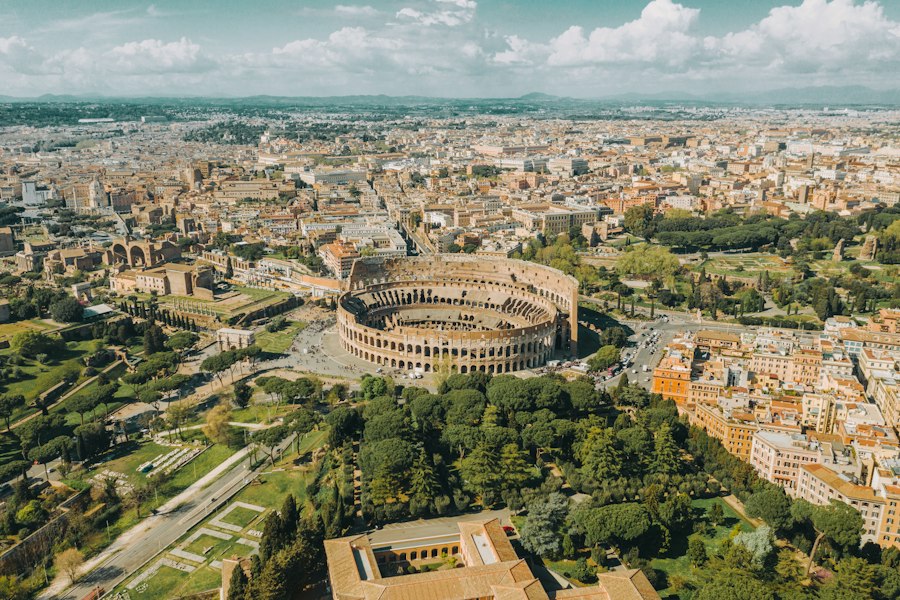
The Colosseum, Roman Forum and Palatine Hill on one ticket, St Peter's and the Vatican Museums, the Pantheon and Trevi Fountain, then evenings in Trastevere and Monti. Rome is best walked: stay central and leave the metro for the airport and the Vatican.
Florence & Tuscany3–5 days
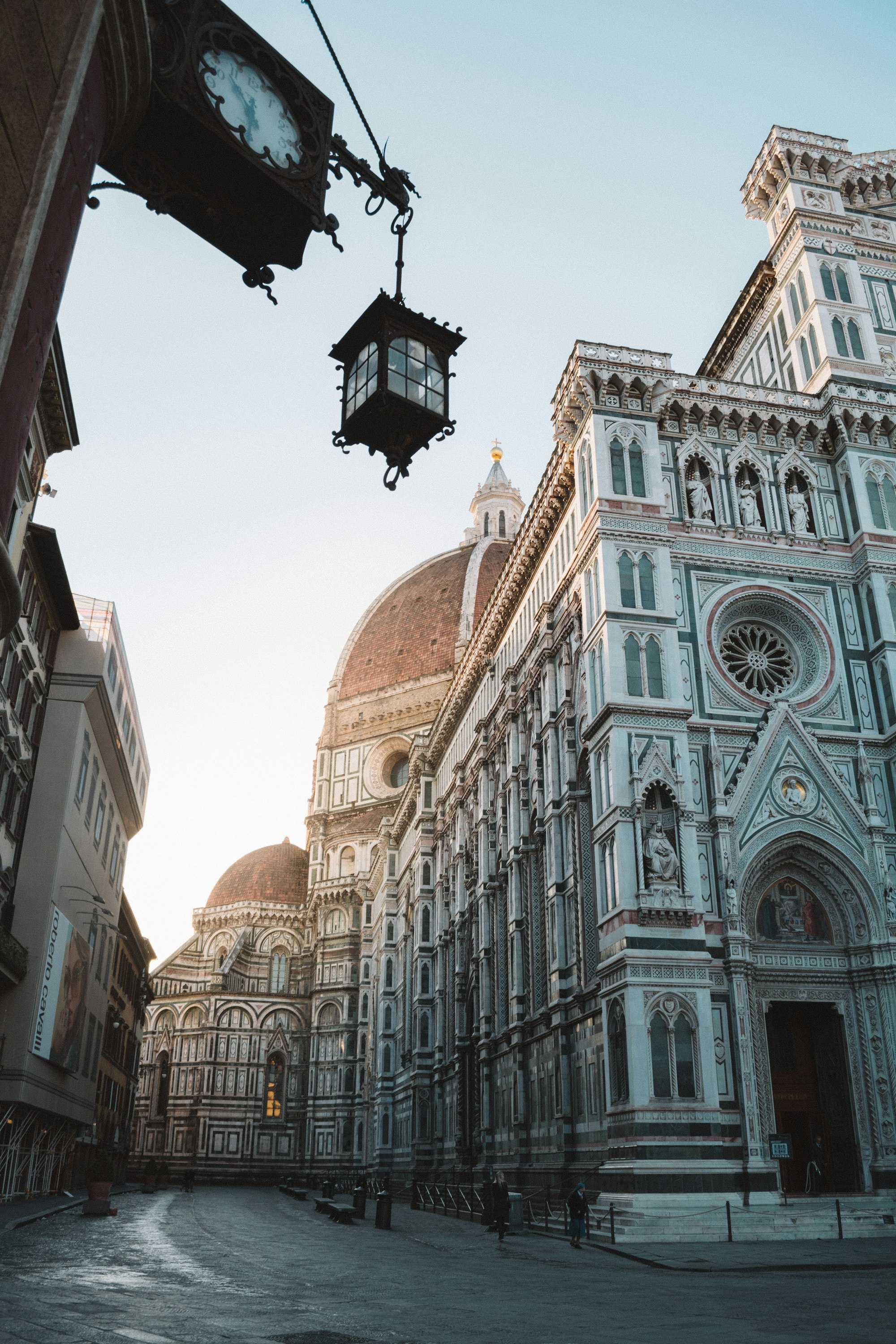
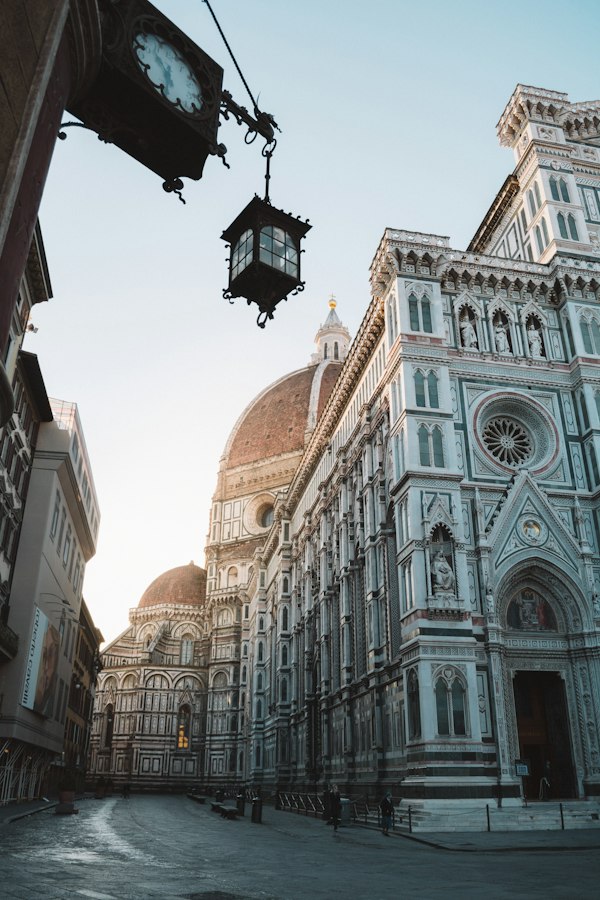
Brunelleschi's dome, the Uffizi and Michelangelo's David in a compact, walkable centre. Then rent a car for the Val d'Orcia, Siena, Montepulciano and the Chianti wine roads, or take day trips by train to Pisa, Lucca and Siena.
Venice2–3 days
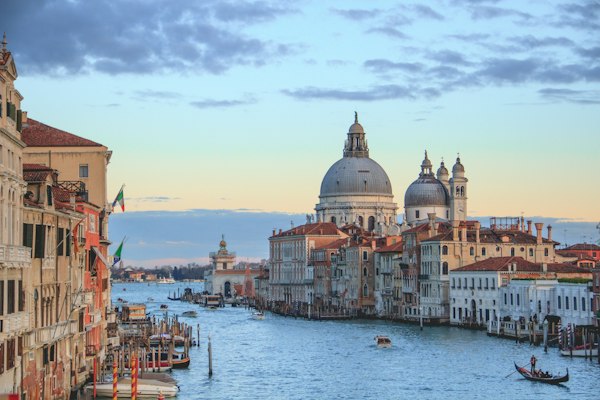
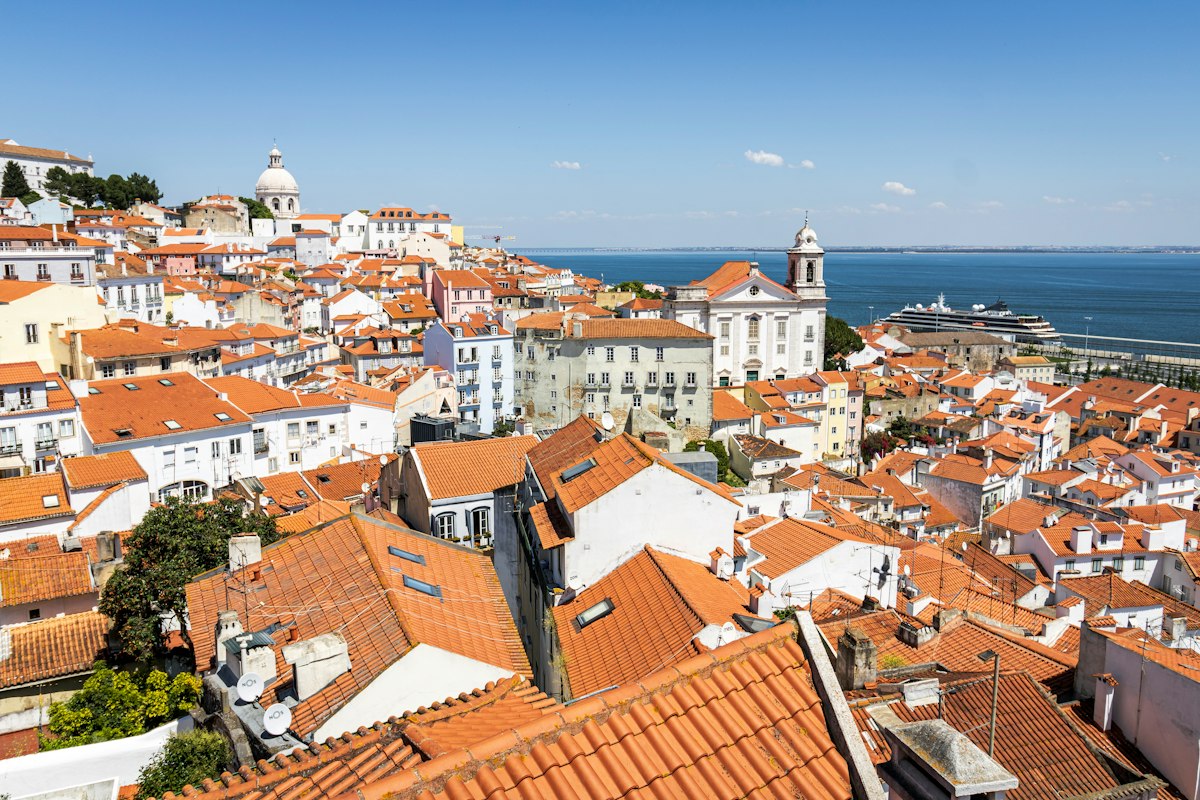
Stay at least one night: the city is a different place once the day visitors leave. Ride the No. 1 vaporetto down the Grand Canal, get lost in Cannaregio and Castello, and take the boat to Burano and Murano.

Cinque Terre2 days
Five car-free fishing villages strung along the Ligurian cliffs, linked by a local train every 15–30 minutes and by coastal paths. Sleep in a village or in nearby Levanto or La Spezia, and walk early before the train crowds arrive.
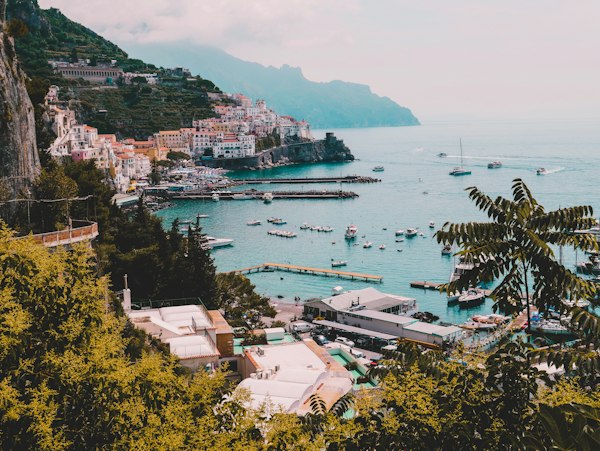
Amalfi Coast, Naples & Capri3–5 days
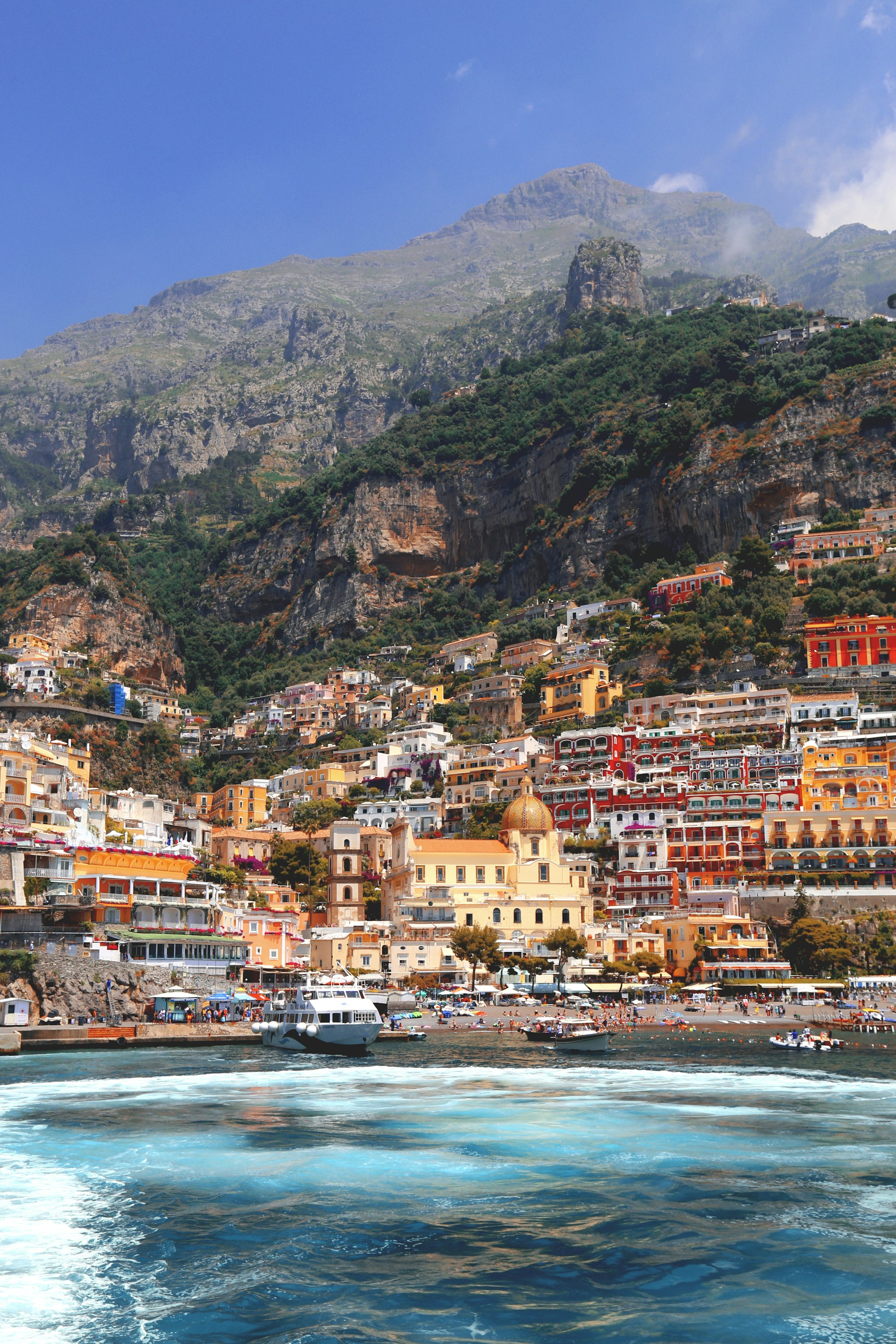
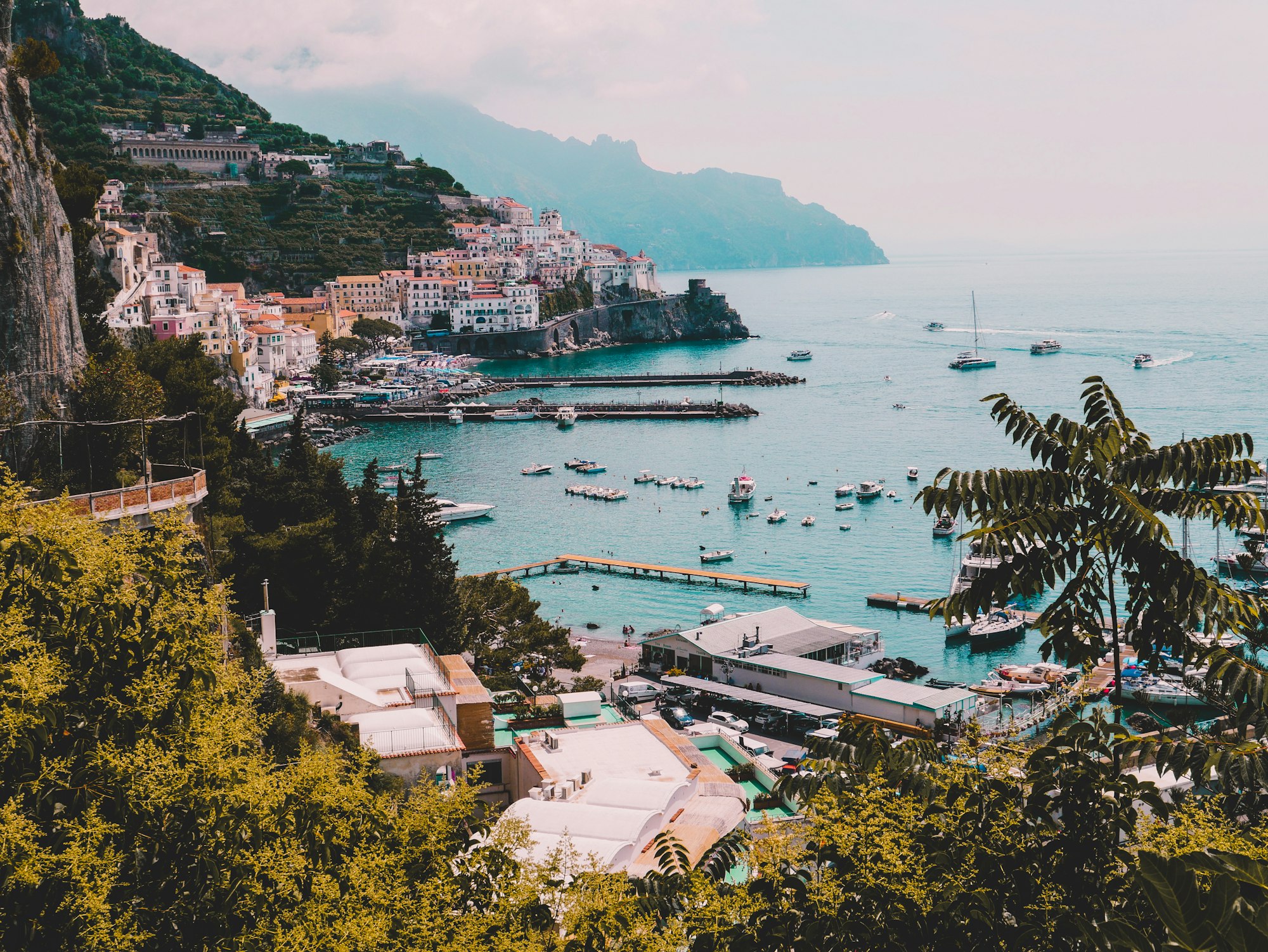
Positano's stacked houses, Amalfi's cathedral, Ravello's villa gardens and the Path of the Gods above the sea. Naples is the gateway (and the home of pizza), with Pompeii and Herculaneum on the way and ferries to Capri. Sorrento is the easiest base without a car.
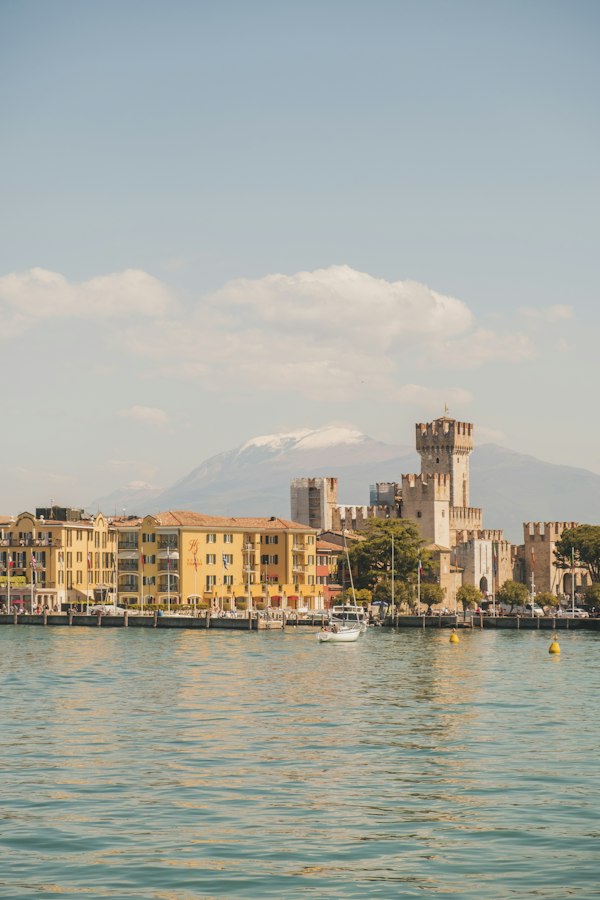
Lake Garda & Lake Como2–4 days
Garda is the big, sporty lake: Sirmione's castle, Limone's lemon terraces, windsurfing at Riva and the Monte Baldo cable car at Malcesine. Como is narrow and glamorous: villas and ferries between Bellagio, Varenna and Tremezzo, an hour from Milan by train.
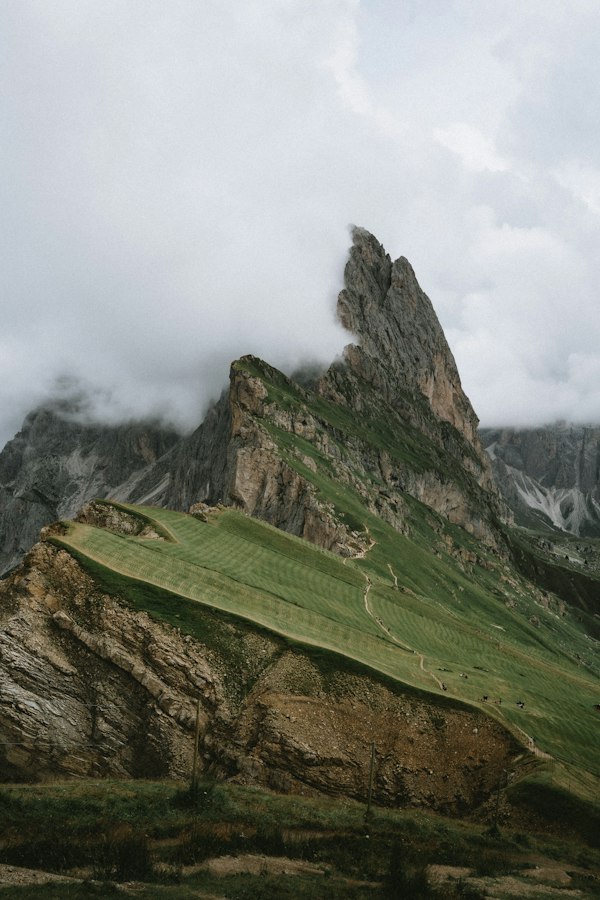
The Dolomites3–5 days
Jagged limestone peaks, high meadows and mountain huts serving strudel and dumplings. Base yourself in Val Gardena, Alta Badia or Cortina d'Ampezzo for Seceda, Alpe di Siusi, the Tre Cime and Lago di Braies. Hiking season runs from mid-June to late September.
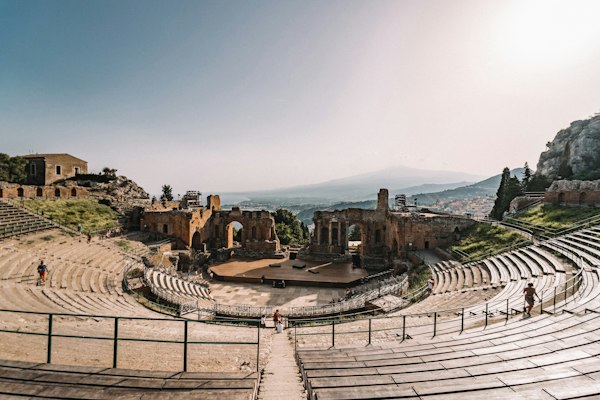
Sicily5–7 days
Greek temples at Agrigento, Taormina's theatre facing Mount Etna, baroque Noto and Ragusa, Palermo's street markets and beaches at San Vito Lo Capo. Fly into Catania or Palermo and rent a car; the island is bigger than it looks.
Sardinia5–7 days
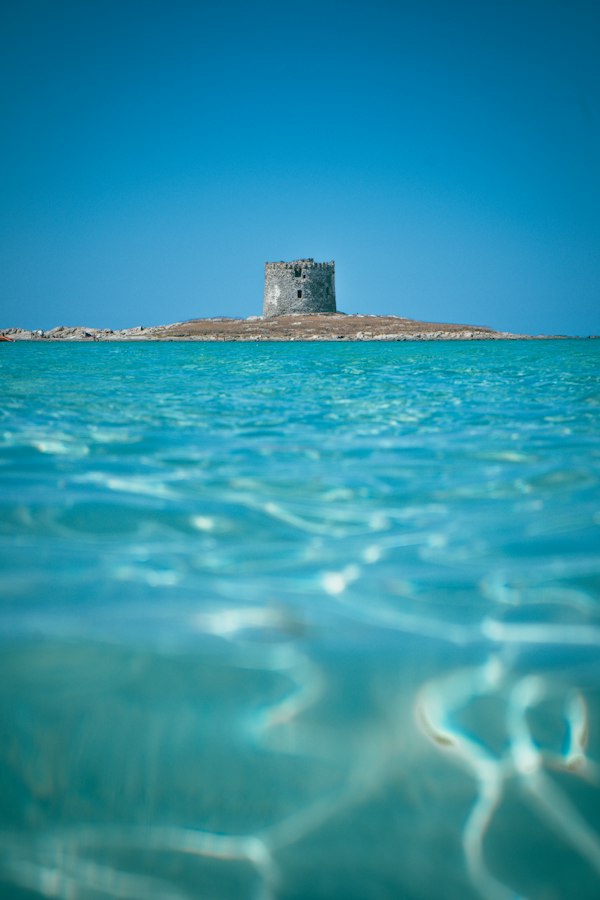
Italy's best beaches: La Pelosa in the north-west, the Costa Smeralda's coves, and the cliff-backed bays of the Gulf of Orosei, reachable by boat from Cala Gonone. Rent a car, and visit in June or September for warm water without August prices.
Italy itineraries: 7, 10 and 14 days
Fly into Rome and out of Venice or Milan (open-jaw) to avoid backtracking. High-speed trains link the big cities in 1–3 hours; add a car only for Tuscany's countryside, the Dolomites, Sicily, Sardinia or Puglia.
7 days: Rome, Florence and Venice
The classic first trip, entirely by train.
- Days 1–3Rome
Colosseum, Forum and Palatine on day one; Vatican Museums, Sistine Chapel and St Peter's on day two; Pantheon, Piazza Navona, Trevi and an evening in Trastevere on day three.
- Day 4To Florence
Frecciarossa or Italo, about 1 h 30. Climb the dome (book a slot) and watch the sunset from Piazzale Michelangelo.
- Day 5Florence
Uffizi in the morning, David at the Accademia after lunch, then dinner across the river in Oltrarno.
- Days 6–7Venice
About 2 h 05 by fast train. St Mark's Basilica and the Doge's Palace, a Grand Canal vaporetto ride, then Burano or a quiet evening in Cannaregio before flying home.
10 days: cities and the coast
Add Cinque Terre or the Amalfi Coast to the classic route.
- Days 1–3Rome
As in the 7-day route.
- Days 4–6Naples and the Amalfi Coast
Train to Naples (about 1 h 10), Pompeii on the way to Sorrento or Positano, a day on the SITA bus or ferry between Positano, Amalfi and Ravello, and a boat to Capri.
- Day 7To Florence
Fast train from Naples via Rome, about 3 hours. Evening walk across the Ponte Vecchio.
- Day 8Florence
Uffizi, the Duomo complex and the Accademia; or swap for a Chianti or Siena day trip.
- Days 9–10Venice
A night in Venice, then fly home from Marco Polo airport.
14 days: the grand tour
Rome, the Amalfi Coast, Tuscany, Cinque Terre and the lakes. Fly out of Milan.
- Days 1–6Rome and the Amalfi Coast
As in the 10-day route.
- Days 7–8Florence
Fast train from Naples. Two full days for the museums, markets and the dome.
- Days 9–10Tuscan countryside
Pick up a car outside the ZTL and drive through the Val d'Orcia: Pienza, Montepulciano, Montalcino and a night on an agriturismo.
- Day 11Cinque Terre
Drop the car in Pisa or La Spezia and take the train into the villages. Walk Monterosso–Vernazza early.
- Days 12–13Lake Como
Train via Milan to Varenna (about 3.5 hours from La Spezia). Ferry-hop to Bellagio and Villa del Balbianello.
- Day 14Milan
Last Supper (booked weeks ahead), the Duomo rooftop, then fly home from Malpensa or Linate.
Where to stay in Italy
In the cities, location beats everything: stay within walking distance of the sights so you can see them early and late, when they're calmest.
Rome
Monti and the historic centre for walking to everything; Trastevere for evenings; Prati for quieter streets near the Vatican.
See hotelsExpedia →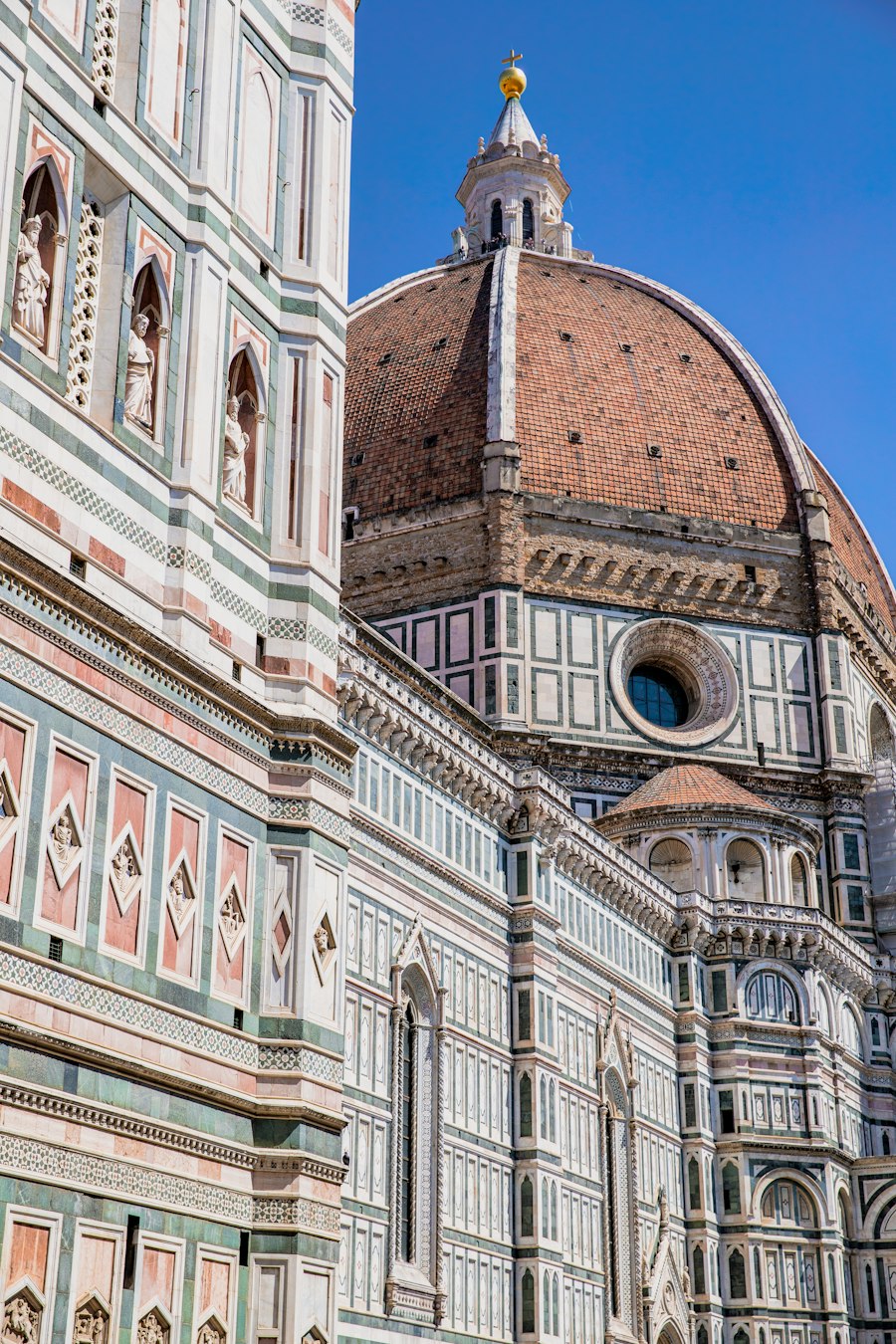
Florence
Anywhere between the Duomo and the Arno is walkable; Oltrarno and Santo Spirito feel more local. Ask about ZTL access if you're driving.
See hotelsExpedia →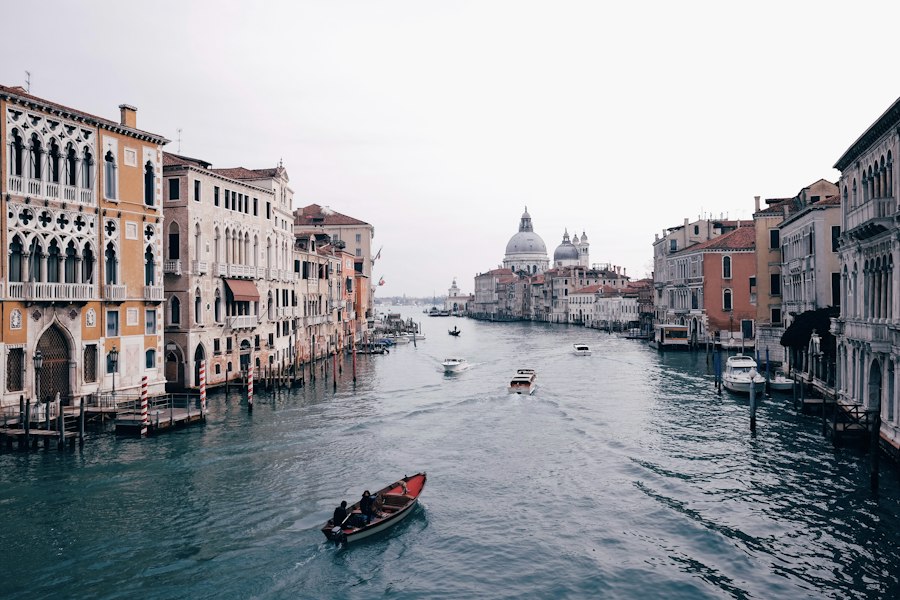
Venice
Sleeping in the historic centre spares you the day-visitor fee and gives you the city at night. Cannaregio and Castello are calmer than San Marco.
See hotelsExpedia →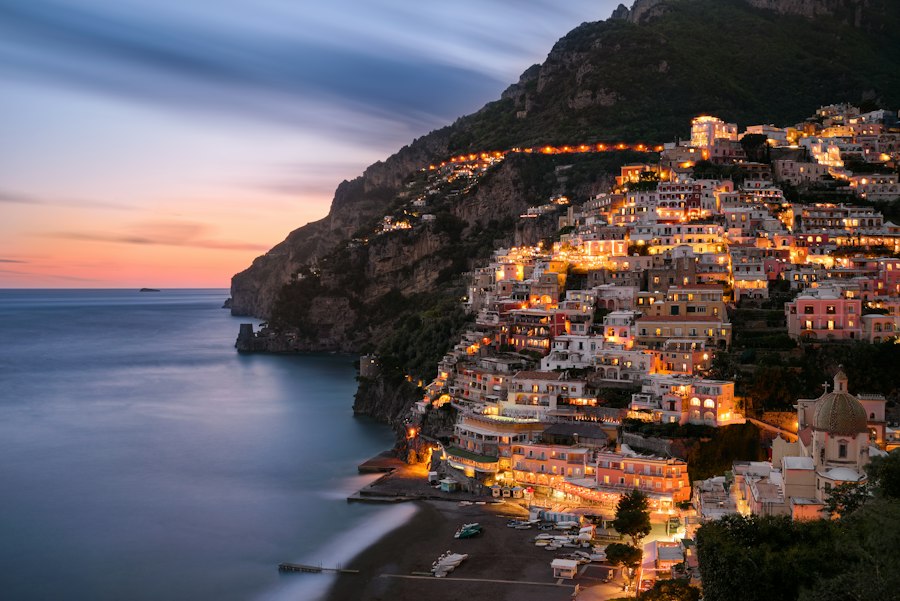
Amalfi Coast
Positano for the views, Amalfi for transport links, Ravello for peace, or Sorrento for value and easy access to Capri and Pompeii.
See hotelsExpedia →Buying through these links supports these guides.
Which Italy, when? Regions by season
Italy is long — nearly 1,200 km from the Alps to Sicily — so the right region depends on the month. Rome, Florence and Venice work all year; the coast has a clear season; the Dolomites have two (summer hiking and winter skiing).
Sardinia has become one of the most searched Italian destinations for North Americans, and with good reason: Caribbean-coloured water, far fewer tour groups than the Amalfi Coast, and direct summer flights to Olbia and Cagliari from much of Europe. The Gulf of Naples remains the classic UK favourite, now with more flights and package options into Naples.
- April–May: Rome, Florence, Tuscany and Puglia at their best; the Amalfi Coast and Cinque Terre are green and pleasantly warm. Sea still fresh (15–18°C).
- June: Perfect for the coast before peak prices: Sardinia, Sicily, Puglia and Capri. Dolomite huts and cable cars open from mid-June.
- July–August: Beach time in the south and on the islands, hiking in the Dolomites and swimming in the lakes. Avoid touring hot cities at midday; in August some city restaurants close for the holidays.
- September–October: Warm sea, harvest festivals in Tuscany and Piedmont, and easier crowds everywhere. Early October still works for the Amalfi Coast and Sicily.
- November–March: City breaks with short queues, Venice Carnival, Christmas markets in Bolzano and Merano, and skiing in the Dolomites.
- Puglia: The heel of the boot: the trulli of Alberobello, the cliff-top old town of Polignano a Mare, baroque Lecce and the beaches of the Salento. Fly to Bari or Brindisi and drive; May, June and September are ideal.
Trains or car? Getting around and avoiding ZTL fines
For the big cities, take the train. Trenitalia's Frecciarossa and the private Italo run Rome–Florence in about 1 h 30 (the fastest under 1 h 25), Florence–Venice in about 2 h 05, Rome–Naples in about 1 h 10 and Milan–Rome in around 3 hours. Fares are dynamic, so book a few weeks ahead for the cheapest seats; regional trains have fixed fares and never sell out.
A car makes sense in Tuscany, Umbria, the Dolomites, Sicily, Sardinia and Puglia, and is a burden in the cities. Almost every historic centre — Rome, Florence, Milan, Bologna, Pisa, Siena and many small towns — is a ZTL (zona a traffico limitato) watched by cameras. Driving past the sign, even for a minute, triggers a fine that reaches you months later via the rental company, which adds its own admin fee. Pick up and drop off cars at airports or stations outside the centre, and if your hotel is inside a ZTL, ask it to register your number plate.
- Regional tickets: Paper regional tickets must be validated in the machines on the platform before you board; digital tickets for a specific train don't need it.
- Motorways: Autostrade are tolled (pay by card at the exit; avoid lanes marked only Telepass). The limit is 130 km/h, 110 in rain.
- Amalfi Coast road: The SS163 is narrow, busy and short of parking. On set dates (in 2026: Easter week, late April to 2 May, weekends in June, July and October, and every day in August and September) only cars with odd or even final plate digits may drive it between 10 am and 6 pm, depending on the date. Use the SITA buses and ferries instead.
- Ferries: Naples and Sorrento to Capri, Positano–Amalfi–Salerno in season, Cinque Terre boats in summer, and overnight ferries from Genoa, Livorno or Civitavecchia to Sardinia and Sicily.
Booking the big sights: what sells out and when
Italy's most famous sights limit numbers with timed tickets, and in spring, summer and autumn the good slots go weeks in advance. Book on the official site first; if it's sold out, a guided tour with included entry is often the only way in on your dates.
- Colosseum: Tickets are issued in each visitor's name and ID is checked at the entrance, so enter names exactly as on your passport. The standard ticket (from about €18) covers the Colosseum, Roman Forum and Palatine; the arena floor and underground need a Full Experience ticket or a tour.
- Vatican Museums and Sistine Chapel: Slots open about 60 days ahead on the official site. Closed on Sundays except the free last Sunday of the month (very busy). Shoulders and knees must be covered for the Sistine Chapel and St Peter's.
- The Last Supper, Milan: Visits last 15 minutes in small groups, booking is required for everyone and tickets are released in batches and go fast. Without one, a guided tour that includes entry is your best bet.
- Florence: Book the Uffizi, the Accademia (David) and the dome climb, which has its own time slot. The Uffizi is closed on Mondays.
- Smaller fees: The Pantheon costs €5, and since February 2026 stepping down to the Trevi Fountain's basin costs €2 (the square stays free).
- Venice access fee: Day visitors aged 14+ pay to enter the historic centre on busy dates (in 2026: 60 days between April and late July, 8:30 am–4 pm; €5 if booked at least four days ahead, otherwise €10). Overnight guests don't pay but register for an exemption QR code. Check the city's calendar for 2027.
The lakes and the Dolomites
Northern Italy's lakes and mountains are an easy add-on from Milan, Verona or Venice. Lake Garda suits active holidays and families; Lake Como is about villas, gardens and ferry rides; Lake Maggiore, with the Borromean Islands, is the quiet alternative. Ferries are the best way to get around all three.
The Dolomites are a UNESCO World Heritage site and, in summer, one of Europe's great hiking regions: cable cars lift you straight onto high trails, and rifugi (mountain huts) serve lunch with a view. Popularity has brought new rules at the busiest spots, so plan these in advance.
- Seceda (Val Gardena): The Ortisei cable car now sells timed slots online, and landowners charge a small fee (about €5) on the ridge path to the classic viewpoint.
- Tre Cime di Lavaredo: The toll road to Rifugio Auronzo requires an online reservation (around €40 per car, including parking). Go early or take the bus from Misurina or Cortina.
- Lago di Braies: In summer (in 2026: 1 July–15 September) the valley road is closed to private cars between 9 am and 4 pm unless you've booked parking. The bus from Dobbiaco is easier.
- Alpe di Siusi: Europe's largest high alpine meadow, reached by cable car from Siusi; the road up is closed to private traffic during the day.
- Lake Garda highlights: Sirmione's castle and thermal baths, Limone's lemon houses, Malcesine and the Monte Baldo cable car, wind sports at Riva and Torbole, and Gardaland for children.
- Lake Como highlights: Bellagio, Varenna's lakeside walk, Villa Carlotta and Villa del Balbianello. Buy ferry tickets at the pier and use the fast hydrofoils for longer hops.
Eating like a local: coperto, aperitivo and coffee
Italian food is intensely regional: carbonara and cacio e pepe in Rome, bistecca alla fiorentina in Florence, cicchetti and risotto in Venice, pesto in Liguria, pizza in Naples, orecchiette in Puglia, arancini and cannoli in Sicily. Order what the region is known for and you'll rarely go wrong.
Restaurant bills often include a coperto, a cover charge of about €1–4 per person for bread and table service. It's legal as long as it's printed on the menu. Some places add a servizio (service charge) instead, also shown on the menu. Tipping isn't expected; rounding up or leaving a couple of euros for great service is plenty.
- Aperitivo: From around 6 pm, a Spritz, Negroni or glass of wine comes with snacks; in Milan and Turin it can be a full buffet.
- Coffee: Drinking your espresso standing at the bar is cheaper than sitting at a table, especially on famous squares. Cappuccino is a breakfast drink, but nobody will refuse you one after lunch.
- Meal times: Lunch is 12:30–2:30 pm and dinner rarely before 7:30 pm (later in the south). Many kitchens close between the two.
- Water: Tap water is safe. Rome's public drinking fountains (nasoni) are free and plentiful, so carry a bottle.
- Where to eat: Walk a couple of streets away from the main sights. A short handwritten menu in Italian is usually a good sign.
Travelling smoothly in Italy
Italy is easy and welcoming to travel in. A few habits help, the same you'd use in any popular city.
- Busy places: On crowded buses (Rome's 64 and 40 to the Vatican), the metro and at the big sights, keep bags zipped and phones in an inside pocket, as you would in London or New York.
- Dress for churches: Cover shoulders and knees in churches, including St Peter's and the Duomos. A light scarf in your daypack solves it.
- Taxis: Take official white taxis from ranks or book through the FreeNow or itTaxi apps. Rome and Florence airports have fixed fares into the centre.
- Street sellers and helpers: Offers of bracelets or help with ticket machines may come with a request for money; a friendly 'no, grazie' is enough.
- City tax: Hotels charge a tassa di soggiorno of a few euros per person per night, usually paid at check-in or check-out and highest in Rome, Florence and Venice.
- Strikes: Transport strikes (sciopero) are announced in advance and usually last a day; check the news before travel days.
Before you go
Entry for UK travellers
Visa-free for up to 90 days in any 180 across the whole Schengen area, not per country. Your passport must have been issued less than 10 years before the day you arrive and be valid for at least 3 months after the day you leave. Check GOV.UK before you travel.
US and Canadian travellers
Also visa-free for 90 days in 180, with a passport valid at least 3 months beyond your departure. Other nationalities should check whether they need a Schengen visa.
EES and ETIAS
The EU's Entry/Exit System has been fully running since April 2026: on your first entry, non-EU visitors register fingerprints and a photo at the border, which can add time at passport control. ETIAS, a paid online travel authorisation, is planned but not yet required; check the official EU site before booking.
Flights
Direct flights reach Rome, Milan, Venice, Naples, Pisa, Bologna, Catania and, in summer, Olbia and Cagliari from across the UK (about 2–3 hours). From North America, nonstop flights serve Rome and Milan.
Plugs and money
Sockets are Type C, F and L (230 V); UK and US travellers need an adapter. Italy uses the euro and cards are accepted almost everywhere, but carry a little cash for cafés, markets and small towns.
Getting around Italy
High-speed trains
Frecciarossa (Trenitalia) and Italo link Turin, Milan, Venice, Bologna, Florence, Rome, Naples and Salerno. Book on their apps; cheap fares disappear closer to the date.
Regional trains
Slower, cheap and fixed-price: perfect for Pisa, Lucca, Siena, Cinque Terre, Lake Como and Verona. Validate paper tickets before boarding.
Rental car
Best for Tuscany, the Dolomites, Sicily, Sardinia and Puglia. Avoid driving in city centres (ZTL), and choose a small car for narrow village streets.
Ferries and lake boats
Capri and the Amalfi Coast, the islands, Sardinia and Sicily, and the lake ferries on Garda, Como and Maggiore.
Domestic flights
Handy for Sicily and Sardinia: ITA Airways, Ryanair, easyJet and others fly from Rome and Milan in about an hour.
How much does a trip to Italy cost?
Budget
€80–120 / day- Hostels, simple B&Bs and stays outside the centre
- Pizza al taglio, markets and lunch menus
- Regional trains and buses
Mid-range
€170–280 / day- 3–4 star hotels or a Tuscan agriturismo
- Trattoria dinners and aperitivo
- Fast trains, museum tickets and a boat day
Comfort
€400+ / day- Boutique and sea-view hotels on the Amalfi Coast or Lake Como
- Private guides and early-entry tours
- Fine dining and wine tastings
What to pack for Italy
Universal travel adapter
Italy uses Type C, F and L sockets; UK and US plugs won't fit.
View on AmazonAmazon →Light scarf
Covers your shoulders for St Peter's, the Sistine Chapel and every Duomo, and keeps the sun off on boat days.
View on AmazonAmazon →Zipped cross-body bag
Keeps phone, cards and passport close at hand on busy buses, in queues and at name-checked entrances.
View on AmazonAmazon →High-SPF sunscreen
For long sightseeing days in Rome and Florence and the strong sun on Sardinia's and Sicily's beaches.
View on AmazonAmazon →Water shoes
Many beaches on the Amalfi Coast, in Cinque Terre and in Sicily are pebbles or rocks rather than sand.
View on AmazonAmazon →Dry bag
For boat days around Capri, the Gulf of Orosei and the Cinque Terre coast.
View on AmazonAmazon →Buying through these links supports these guides.
Book before you go
Colosseum slots sell out weeks ahead from spring to autumn. If the official site is full, a tour with included entry gets you in on your dates.
Italy eSIM
Be online from the moment you land, for maps, train apps and digital tickets, without roaming charges.
Get an eSIMAiralo →Buying through these links supports these guides.
Quick tips
Fly open-jaw
Into Rome, out of Venice or Milan. It saves a day of backtracking.
Book the timed sights first
Colosseum, Vatican, Last Supper and Uffizi before hotels in peak season; then plan your days around the slots.
Check museum closing days
Many state museums close on Mondays; the Vatican Museums close on Sundays.
Sit or stand?
A coffee at a table on Piazza San Marco or Piazza Navona can cost several times the bar price.
Sundays and August
Small-town shops close on Sundays, and around Ferragosto (15 August) many city businesses take a break while the coast is full.
Leave room for slowness
Two nights minimum per base. Italy is at its best over a long lunch, not a rushed checklist.
Italy travel FAQ
Do I need a visa to visit Italy?
UK, US, Canadian and Australian citizens don't for stays of up to 90 days in any 180 within the Schengen area. UK passports must be under 10 years old on arrival and valid 3 months after you leave. ETIAS is not yet required; check the official EU site for updates.
How many days do you need in Italy?
7 days covers Rome, Florence and Venice by train. With 10 days add the Amalfi Coast or Cinque Terre; with 14 add Tuscany's countryside and a lake.
What is the best time to visit Italy?
April to early June and September to October: warm, less crowded and good for both cities and coast. July and August are best for beaches and the Dolomites but hot in the cities.
Do you need to book the Colosseum in advance?
Yes, in practice. Tickets are timed and issued in your name, and in high season the official slots sell out weeks ahead. Bring the ID whose details you entered.
Do you have to pay to enter Venice?
Only day visitors aged 14 and over, on busy dates set by the city (in 2026, 60 days between April and late July, 8:30 am–4 pm), at €5–10. Overnight guests are exempt but register for a QR code.
Is it better to travel Italy by train or car?
Train between the big cities: it's faster and avoids ZTL fines and parking. Rent a car for Tuscany's countryside, the Dolomites, Puglia, Sicily and Sardinia.
Do you tip in Italy?
It's not expected. Bills often include a coperto (cover charge) or servizio; rounding up or leaving €1–2 per person for great service is plenty.
Amalfi Coast or Cinque Terre?
Amalfi for grand views, boat trips to Capri and day trips to Pompeii; Cinque Terre for hiking between car-free villages. Cinque Terre fits in two days; Amalfi deserves three or more.

Planning a trip to Italy?
If you'd like help planning your route, from Rome and Tuscany to the Amalfi Coast and the Dolomites, I'm here.
Work with me