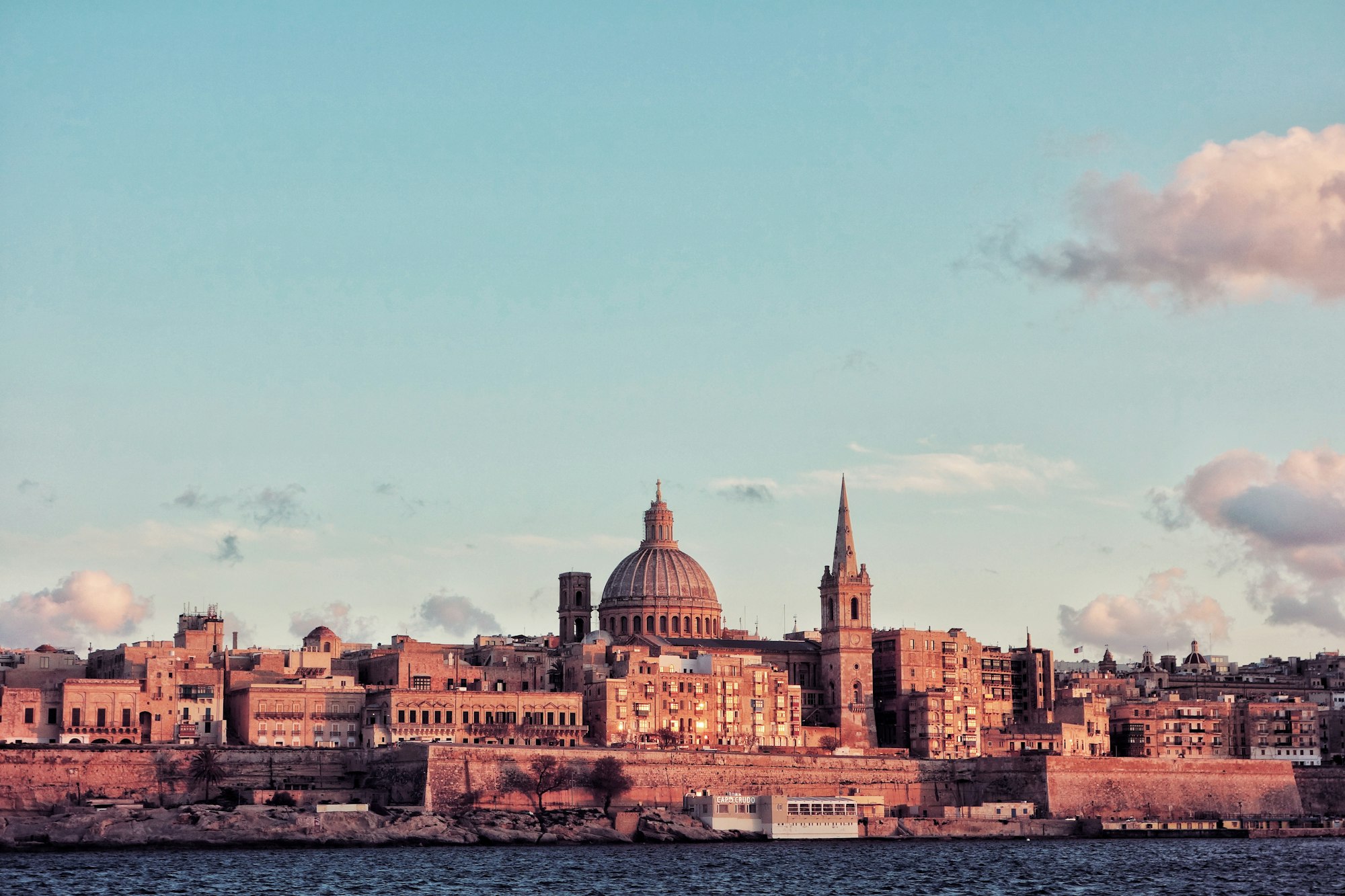
Malta Travel Guide
Malta is the smallest country in the European Union, with a history older than most of Europe: its temples predate the Egyptian pyramids. In a few days you can walk the baroque streets of Valletta, swim in the turquoise water of Comino's Blue Lagoon and explore quieter, greener Gozo. This guide covers the best time to visit, a 5-day itinerary, where to stay, costs and what to pack.
Best Time to Visit
Spring (April – June)
The best season. Warm but not humid. Local festivals, manageable crowds, and summer prices haven't kicked in yet.
Autumn (September – October)
Sea is still warm. Summer heat is gone. Fewer tourists, lower prices.
Summer (July – August)
Hot and packed. Prices peak. If you go, start early morning before the heat and crowds build.
Malta weather by month
Approximate average daytime highs and sea temperatures (°C). Enough to choose your month; check the forecast before you go.
| Month | °C | Notes | |
|---|---|---|---|
| January | 16° | 16° | Cool and one of the wettest months. Cheap flights and hotels; good for sightseeing, not swimming. |
| February | 16° | 15° | Quiet and cheap. Malta Carnival usually falls in late February or early March. |
| March | 18° | 15° | Spring begins. Good weather for walks on Gozo and the Dingli Cliffs. |
| April | 21° | 16° | Green and pleasant. Easter processions in the towns are worth seeing. |
| May | 24° | 19° | One of the best months to visit. The sea is still a little cool for long swims. |
| June | 28° | 22° | Swimming season starts, before peak crowds and prices. |
| July | 31° | 25° | Hot and busy. Prices peak and the Blue Lagoon fills up early. |
| August | 32° | 26° | The hottest and busiest month. Village festas with fireworks. |
| September | 28° | 25° | The sea is at its warmest and crowds thin out: the best month for swimming. |
| October | 25° | 23° | Still warm enough to swim. The first autumn rain is possible. |
| November | 21° | 20° | Quiet and cheap, with more rainy days. |
| December | 17° | 17° | Cool. Christmas atmosphere in Valletta and Mdina. |
Key Destinations
Valletta (Capital)1–2 days
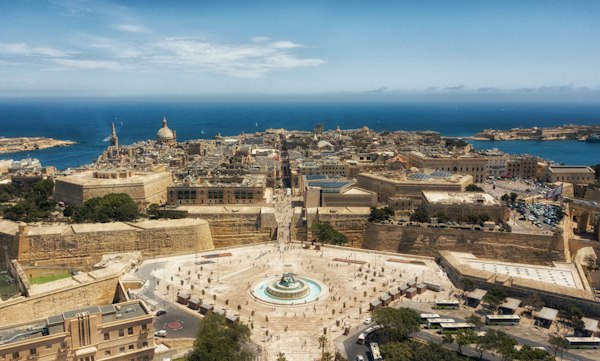
The EU's smallest capital — but one of the most historically dense cities in the world. St John's Co-Cathedral with its Caravaggio, the Barrakka Gardens over the Grand Harbour, ancient bastions, stepped streets, and old cafes with sea views.

Blue Lagoon (Comino Island)One day
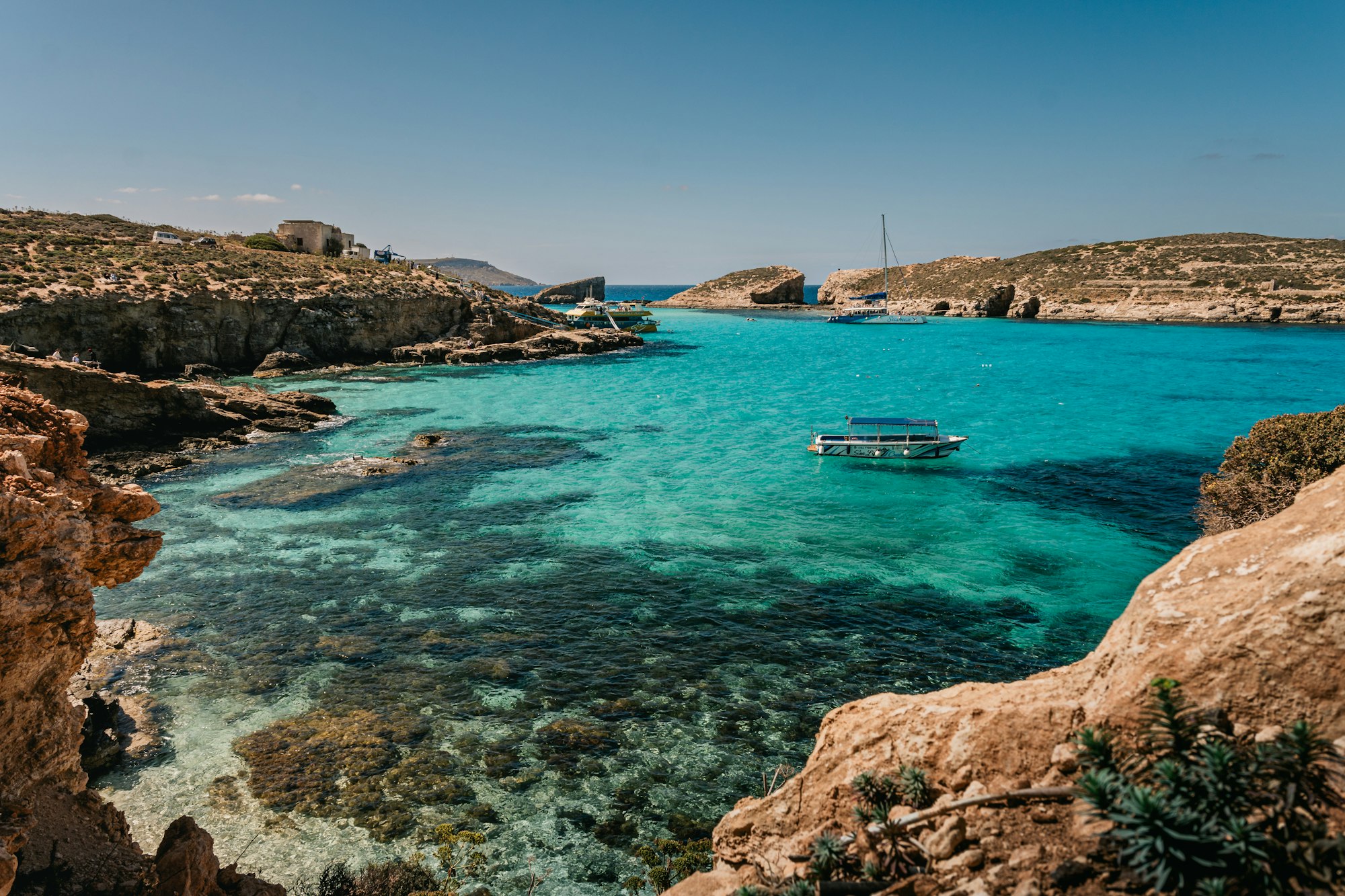
Crystal turquoise water in a small cove between Malta and Gozo. Reached by boat. Arrive early before the day-tripper boats arrive.
Gozo1–2 days
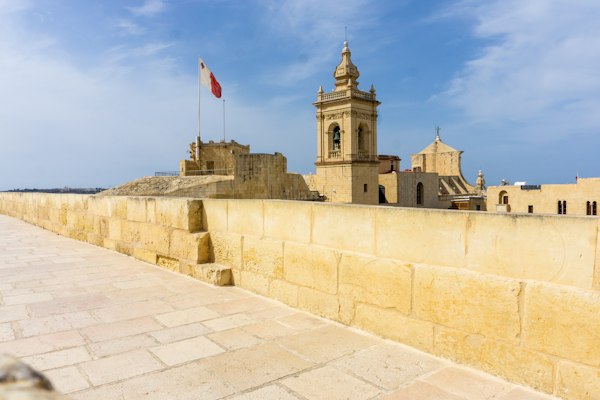
Malta's sister island — quieter, greener, and far less touristy. Citadel fortress on the hilltop, salt pans along the coast, and Ramla Bay with red-golden sand.
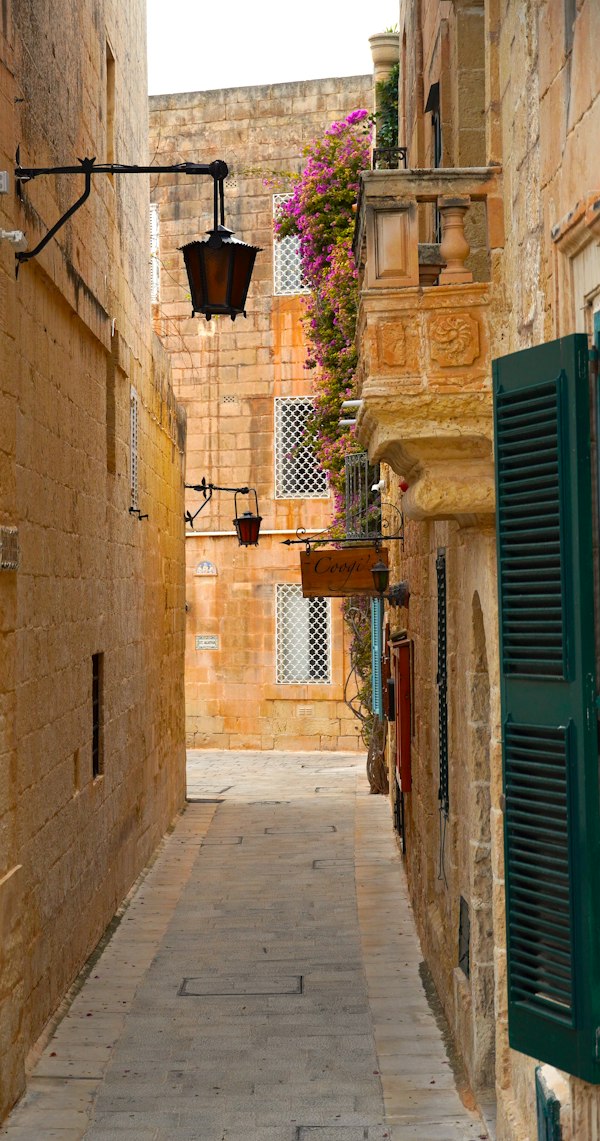
MdinaHalf day
The ancient walled city that was once the capital. Heavy wooden doors, narrow lanes, and a cathedral. Quieter and less visited than Valletta — better for wandering.
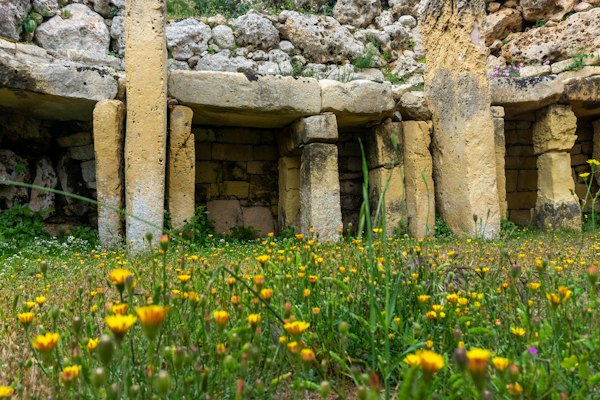
Ħaġar Qim TemplesHalf day
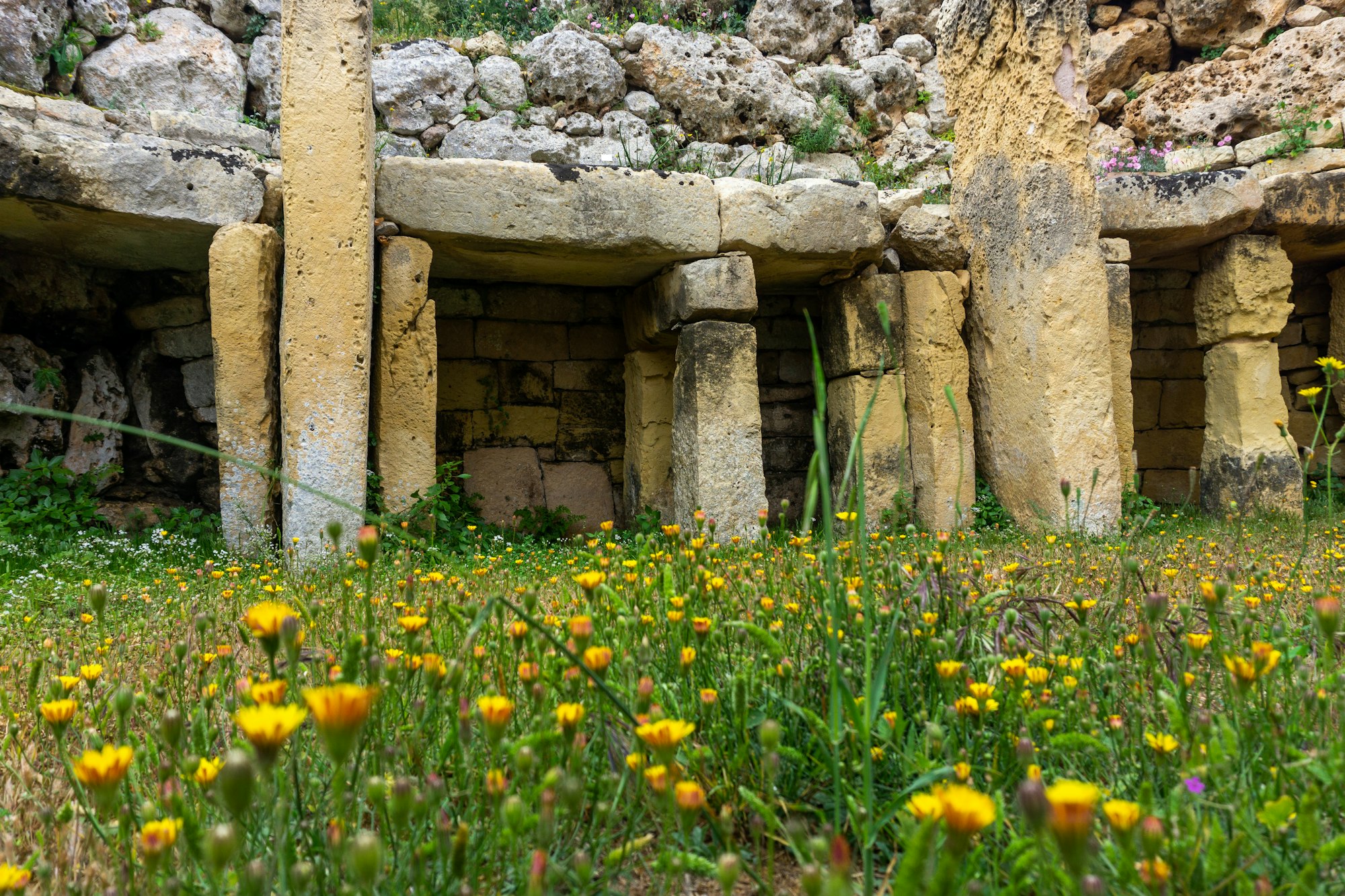
Older than the Egyptian pyramids — 5,500 years. Stone temples, parts of which line up with the sunlight at the solstices. One of the best prehistoric sites in the Mediterranean.
5-day Malta itinerary
- Day 1Valletta
St John's Co-Cathedral and its Caravaggio, the stepped streets, and the Upper Barrakka Gardens at noon for the saluting battery and views over the Grand Harbour.
- Day 2The Three Cities
Cross from Valletta to Birgu by traditional boat: Fort St Angelo, the lanes of Senglea and harbourside cafés. Come back after dark for the view of Valletta lit up from the water.
- Day 3Mdina, Rabat and the Dingli Cliffs
The quiet walled city of Mdina and St Paul's Catacombs in Rabat in the morning, sunset on the Dingli Cliffs.
- Day 4Gozo
The 25-minute ferry from Ċirkewwa, the Citadel in Victoria, the coastal salt pans and red-sand Ramla Bay. A rental car or scooter gives you the most freedom.
- Day 5Comino and the south
Take the first boat to the Blue Lagoon and leave before the crowds arrive. In the afternoon, the Ħaġar Qim and Mnajdra temples and the Blue Grotto.
Where to stay in Malta
Malta is small, and buses and ferries connect everything. Choose your base by the kind of trip you want.
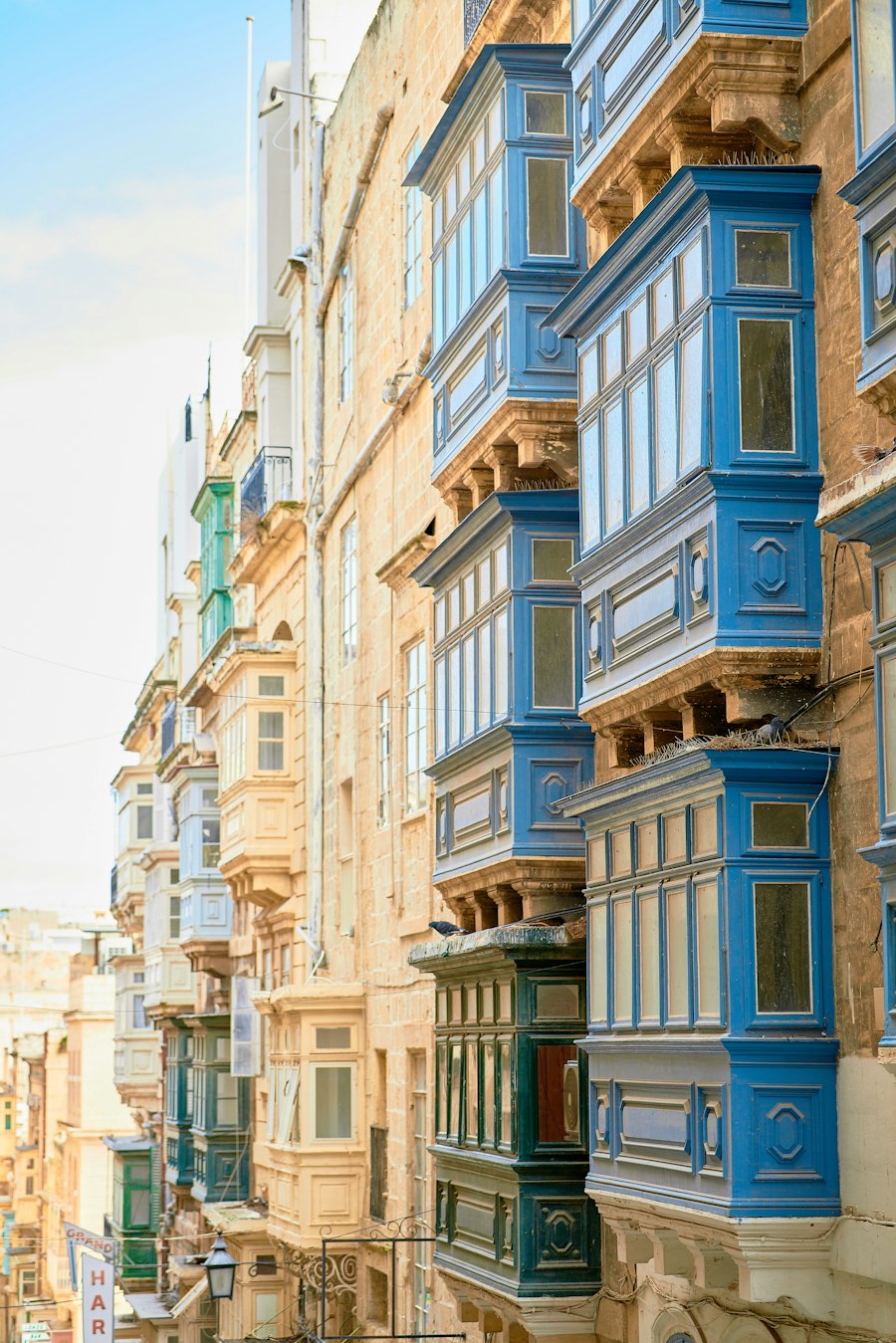
Valletta
For history and quiet evenings. Everything is walkable; hotels are smaller and a little pricier.
See hotelsExpedia →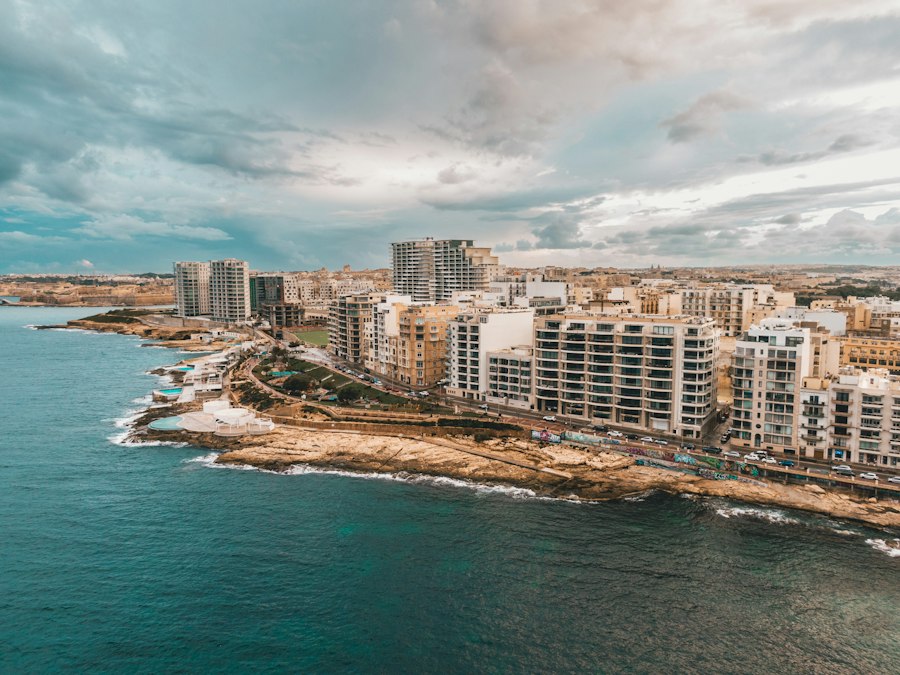
Sliema & St Julian's
Restaurants, cafés and nightlife, with the widest choice at every budget. The Sliema ferry reaches Valletta in minutes.
See hotelsExpedia →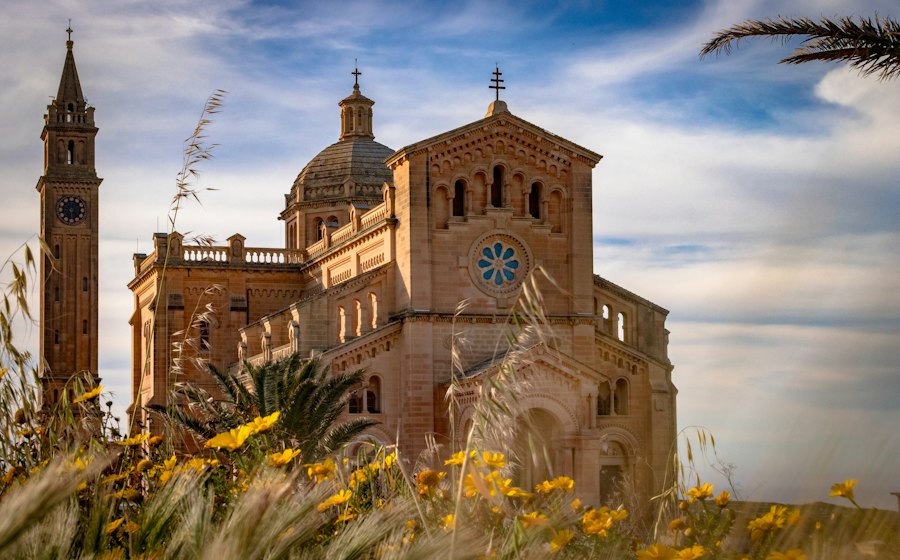
Gozo
A few calm nights away from the crowds, if you're staying more than a day on Gozo. Stone farmhouses with pools are a Gozo speciality.
See hotelsExpedia →Buying through these links supports these guides.
Before you go
Entry and visa
Malta is in the EU and the Schengen Area. EU citizens only need an ID card; everyone else should check whether their passport needs a Schengen visa before booking.
Flights
Malta International Airport has direct flights from most European cities, many of them on budget airlines.
Money
The currency is the euro and cards are accepted almost everywhere. Carrying €10,000 or more in cash into or out of the EU must be declared at customs.
Connectivity and language
EU roaming works as at home for EU SIMs; otherwise a local SIM or an eSIM is easy to get. English is an official language, so getting around is easy.
Getting Around
Buses
Malta Public Transport buses cover the whole island, but they're often crowded in summer and not always on time. A Tallinja Card saves money on multiple trips.
Driving: Malta drives on the left
Like the UK, Malta drives on the left. Roads are narrow and parking in Valletta is scarce. A rental car is great on Gozo, and often unnecessary on Malta itself.
Ferries
The car ferry to Gozo leaves from Ċirkewwa (about 25 minutes), and a fast ferry runs straight from Valletta. The Sliema ferry reaches Valletta in minutes.
Bolt & taxis
Bolt is much cheaper than traditional taxis and handy in the evening.
Budget Guide
Budget
€50–80 / day- Hostel in Sliema or St Julian's
- Local food and pastizzi
- Public bus
Mid-range
€100–150 / day- 3-star hotel
- Seafood restaurants
- Ferry and a few tours
Comfort
€200+ / day- Boutique hotels in Valletta
- Private yacht trip
- Gastronomic experiences
What to pack for Malta
Type G plug adapter
Malta has UK-style three-pin sockets; most European plugs won't fit without an adapter.
View on AmazonAmazon →High-SPF sunscreen
The Maltese sun is strong even in spring and autumn, especially on boats and beaches.
View on AmazonAmazon →Dry bag
Keeps your phone and documents dry on the Comino boat and when swimming in the bays.
View on AmazonAmazon →Water shoes
Most of Malta's coast is rocky, and water shoes make getting in and out much easier.
View on AmazonAmazon →Buying through these links supports these guides.
Book before you go
In high season, Comino boats and Gozo tours sell out early.
Buying through these links supports these guides.
Practical Tips
Tap water
Tap water is safe to drink but often tastes salty because it's desalinated, so most visitors buy bottled water.
Tipping
Around 5–10% in restaurants is customary if you're happy with the service, but not expected everywhere.
Language
Maltese sounds like a mix of Arabic and Italian, but English is an official language and spoken everywhere.
Plugs
Malta uses UK-style Type G sockets (230 V). Visitors from outside the UK and Ireland need an adapter.
Food
Try pastizzi (flaky pastries with ricotta or peas), ftira, rabbit stew (stuffat tal-fenek) and fresh fish in Marsaxlokk.
Blue Lagoon
In summer the lagoon is packed from about 10am. Take the first boat of the morning or go late in the afternoon.
Malta travel FAQ
What is the capital of Malta?
Valletta. It is the EU's smallest capital, and the whole city is a UNESCO World Heritage Site.
Where is Malta?
Malta is a group of islands in the middle of the Mediterranean, about 90 km south of Sicily. Three are inhabited: Malta, Gozo and Comino.
Do I need a visa for Malta?
Malta is in the Schengen Area. EU citizens need only an ID card; other travellers should check whether their passport requires a Schengen visa.
How much does a trip to Malta cost?
Excluding flights, roughly €50–80 a day on a budget, €100–150 mid-range and €200+ for a comfortable trip.
When is the best time to visit Malta?
April to June and September to October: warm, pleasant weather with fewer crowds and lower prices than midsummer. For swimming, September is best.
How many days do you need in Malta?
4 to 6 days is enough for Valletta, the Three Cities, Mdina, a day on Gozo and a day on Comino.
Do I need a plug adapter in Malta?
Yes, unless you're coming from the UK or Ireland. Malta uses UK-style Type G sockets (230 V).

Planning a trip to Malta?
If you'd like help planning your route, stays and budget, I'm here.
Work with me