Kenya Travel Guide
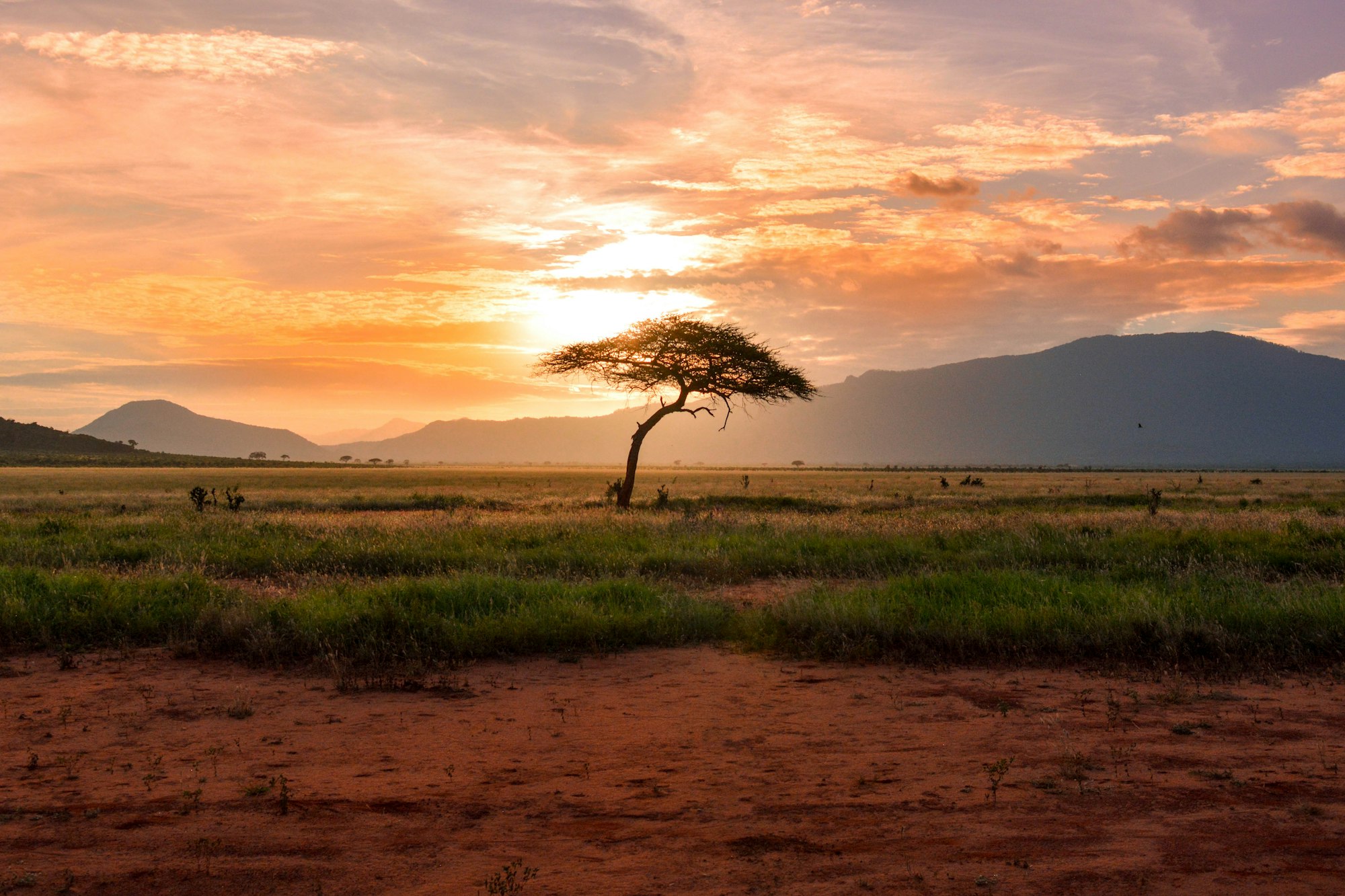
Kenya has everything. Open plains where lions hunt at dawn, Amboseli with elephants silhouetted against Kilimanjaro, the relentless energy of Nairobi, and Kibera — one of Africa's largest urban settlements — which teaches you something about human spirit that nowhere else can. This is a country that doesn't let you leave the same person.
Best Time to Visit
Dry Season (July – October)
Peak of the Great Migration in Masai Mara. Animals fill the plains. Dry weather means excellent game viewing on open terrain.
January – February
Dry weather, newborn animals, cheetah hunts on open grassland. Less crowded than peak summer season.
Avoid
Heavy rains April–June — dirt roads into parks become slippery and impassable.

Key Destinations
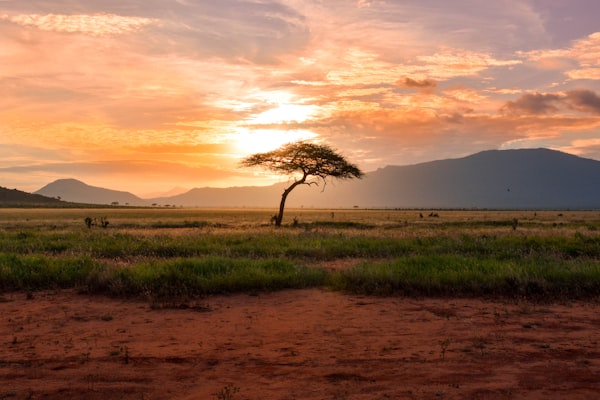
Masai Mara3–4 days
Africa's greatest wildlife spectacle. The Big Five — lion, elephant, buffalo, rhino, leopard. From July–October wildebeest cross the Mara River from Tanzania in their thousands. The most breathtaking thing I have ever witnessed.
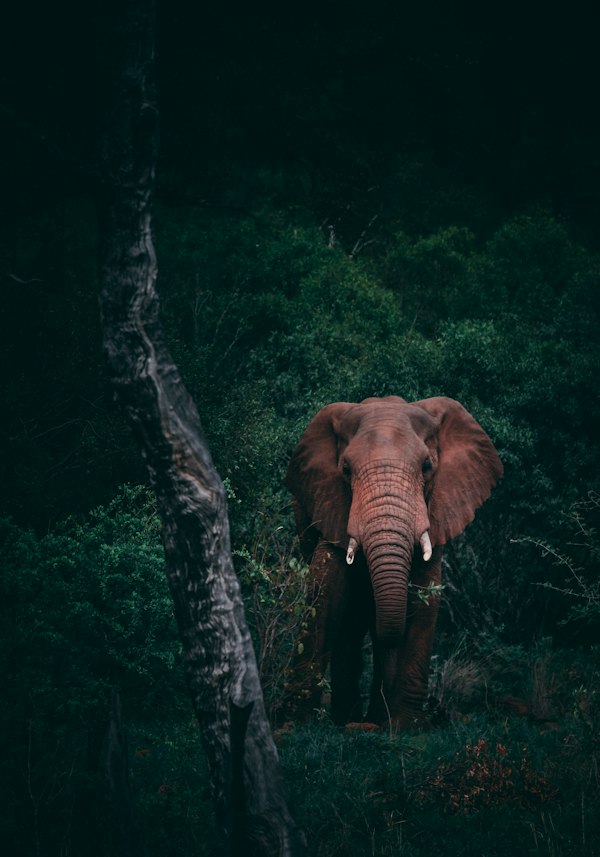
Amboseli2 days
Africa's best Kilimanjaro views. Enormous elephant herds move across the plains with the snow-capped summit behind them. Quieter than the Mara, with a panorama that never leaves you.
Kibera, NairobiHalf day (with local guide)
Kibera is one of Africa's largest urban settlements — but it holds more life, art, music, and human warmth than most places I've visited. Street art, markets, football pitches, community gardens. Go with a trusted local guide only — your money should go back to the community.
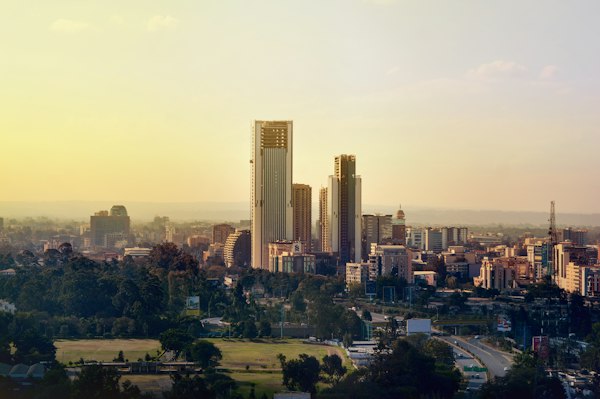
Nairobi1–2 days
East Africa's most dynamic capital. Nairobi National Park (the only national park inside a world capital), the National Museum, international food scene, and local craft markets.

Mombasa Coast2–3 days
Warm Indian Ocean beaches, the Portuguese Fort Jesus, Arab old town, and Swahili cuisine that blends African, Arab and Indian flavours into something completely its own.
Getting Around
Domestic Flights
Small planes from Nairobi to Masai Mara take about an hour. The fastest and most scenic way to reach the parks.
Matatu (Shared Minibus)
Cheap shared transport in cities and between towns. The noisiest and most sociable way to travel in Kenya.
Uber & Boda Boda
Uber works well in Nairobi. For shorter distances, boda boda (motorbike taxis) are fast and cheap.

Budget Guide
Budget
$70–100 / day- Hostel in Nairobi
- Matatu instead of taxis
- Group budget safari
Mid-range
$150–300 / day- Mid-tier lodges
- Semi-private safari
- Domestic flights
Luxury
$400–1,200 / day- Camps like Angama Mara or Segera
- Private safari vehicle
- Hot air balloon over the Mara
Practical Tips
Visa
Kenya has an e-Visa system. Apply online before travel. Fast, affordable, and straightforward.
Vaccines
Yellow fever required if arriving from certain countries. Malaria prophylaxis strongly recommended.
Safety
Nairobi has safe and unsafe areas. Bag snatching is common in city centres. Always ask your local guide or hotel before exploring on foot.
Money
Kenyan shilling. USD and international cards accepted in cities. Bring cash for parks and remote areas.
Kibera
Never go alone. Work with local organisations like Kibera Tours — your money goes directly to the community, not to an external operator.
SIM Card
Safaricom has the best coverage. M-Pesa (mobile money) is accepted almost everywhere — worth learning how to use it.
Planning a trip to Kenya?
If you want help mapping the safari route, lodges, and budget, I'm here.
Work with me