Travel guides / Central America & Caribbean
Jamaica Travel Guide
Jamaica is far more than an all-inclusive beach: it's reggae and sound systems, jerk smoke drifting from roadside drums, waterfalls you can climb, rivers you can raft on bamboo, and the misty Blue Mountains where some of the world's finest coffee grows. This guide covers when to go and how hurricane season works, a 7- and 10-day route, which part of the island to base yourself in, all-inclusive or guesthouse, getting around, costs and the local etiquette that makes a trip here so memorable.
Best time to visit Jamaica
Dry season (mid-December to April)
The most reliable weather and peak season: sunny, less humid and busiest around Christmas, New Year and Easter. Book early.
Shoulder (May to June, November)
Warm, fewer crowds and lower prices. Short tropical showers, usually in the afternoon.
Hurricane season (June to November)
The highest risk is August to October. Many trips go ahead without problems, but get travel insurance and keep plans flexible.
Jamaica weather by month
Approximate average daytime highs and sea temperatures on the north and west coasts (°C). The Blue Mountains are much cooler, often 15–20°C.
| Month | °C | Notes | |
|---|---|---|---|
| January | 30° | 26° | Dry and sunny, peak season. Pleasant evenings. |
| February | 30° | 26° | One of the driest months; great beach weather. |
| March | 31° | 26° | Dry and warm; busy around spring break. |
| April | 31° | 27° | Warm and mostly dry; Easter is busy. |
| May | 32° | 28° | Humidity rises, first showers. Good value. |
| June | 32° | 28° | Start of hurricane season; showers but plenty of sun. |
| July | 33° | 29° | Hot and humid, short afternoon rain. |
| August | 33° | 29° | Hot; peak hurricane risk begins. Reggae Sumfest is usually in July. |
| September | 32° | 29° | Highest hurricane risk; lowest prices. |
| October | 31° | 29° | Often the wettest month. |
| November | 31° | 28° | Rain eases; good-value shoulder month. |
| December | 30° | 27° | Dry season returns; busy from Christmas. |
Where to go in Jamaica
Negril3–4 days
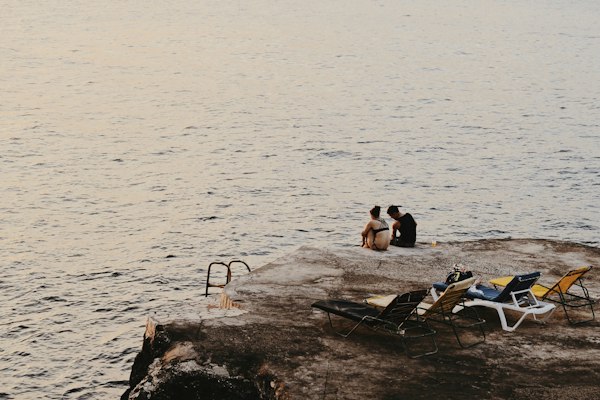
Seven Mile Beach for swimming and sunsets on the west side, and the cliffs of the West End for cliff jumping and sunset drinks. The most relaxed base for a first trip.
Montego Bay1–2 days
Most flights land here. Doctor's Cave Beach, the Hip Strip, and day trips to rafting on the Martha Brae or to Rose Hall great house.
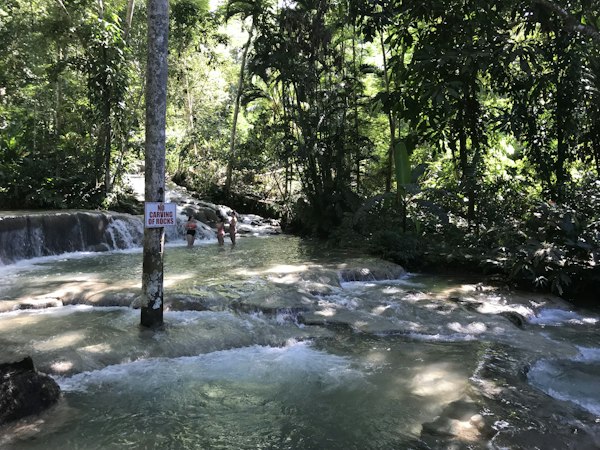
Ocho Rios1–2 days
Dunn's River Falls, where you climb the terraced waterfall with a guide, plus Blue Hole and Mystic Mountain. Busy on cruise-ship days.
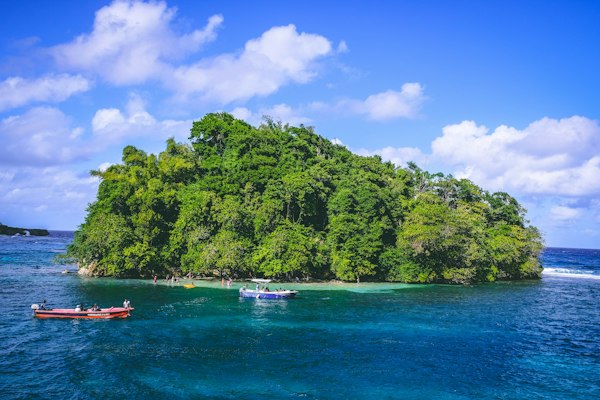
Port Antonio2 days
Green, quiet and lush on the northeast coast: the Blue Lagoon, Frenchman's Cove, Winnifred Beach and bamboo rafting on the Rio Grande.
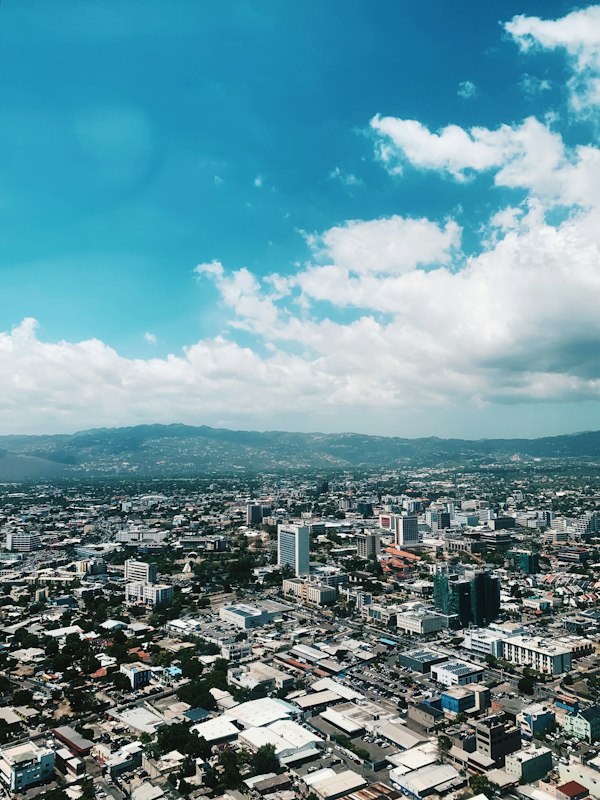
Kingston and the Blue Mountains2 days
The Bob Marley Museum, Devon House, the music scene and Port Royal, then up into the Blue Mountains for coffee farms and the sunrise hike to Blue Mountain Peak.
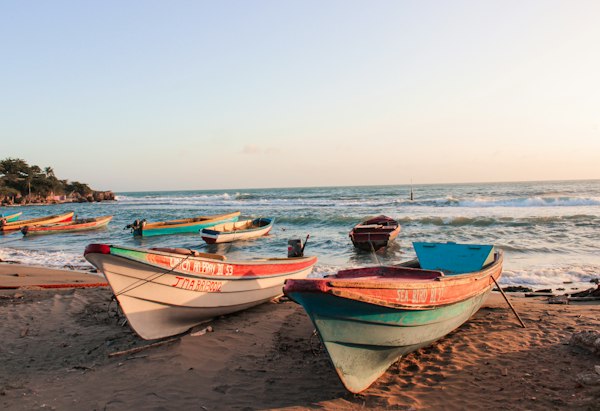
Treasure Beach and the south coast1–2 days
Small fishing villages, empty beaches and a slow pace. Boat trips to the Pelican Bar and YS Falls nearby.
Jamaica itineraries: 7 and 10 days
Jamaica is bigger than it looks and roads are slow and winding, so it pays to base yourself in two or three places rather than moving every day.
7 days: the west and north coast
Fly into Montego Bay; easy transfers and the classic highlights.
- Days 1–3Negril
Seven Mile Beach, a boat trip to the reef, sunset at the West End cliffs.
- Day 4South coast day trip
YS Falls, Black River and a boat to the Pelican Bar, or a quiet day in Treasure Beach.
- Days 5–6Ocho Rios
Climb Dunn's River Falls early, swim at Blue Hole, and eat jerk at a roadside stand.
- Day 7Montego Bay
Rafting on the Martha Brae, then fly home.
10 days: add Port Antonio and the Blue Mountains
The quieter, greener side of the island. Fly into Montego Bay and out of Kingston.
- Days 1–3Negril
Beach days and cliff sunsets.
- Days 4–5Ocho Rios
Dunn's River Falls and Blue Hole.
- Days 6–8Port Antonio
The Blue Lagoon, Frenchman's Cove, Winnifred Beach and bamboo rafting on the Rio Grande.
- Day 9Blue Mountains
Coffee farm tour, or the night hike to see sunrise from Blue Mountain Peak.
- Day 10Kingston
The Bob Marley Museum and Devon House, then fly home from Kingston.
Where to stay in Jamaica
Choose your base by the kind of trip you want: beach and sunsets, easy airport access, waterfalls and excursions, or green, quiet nature.
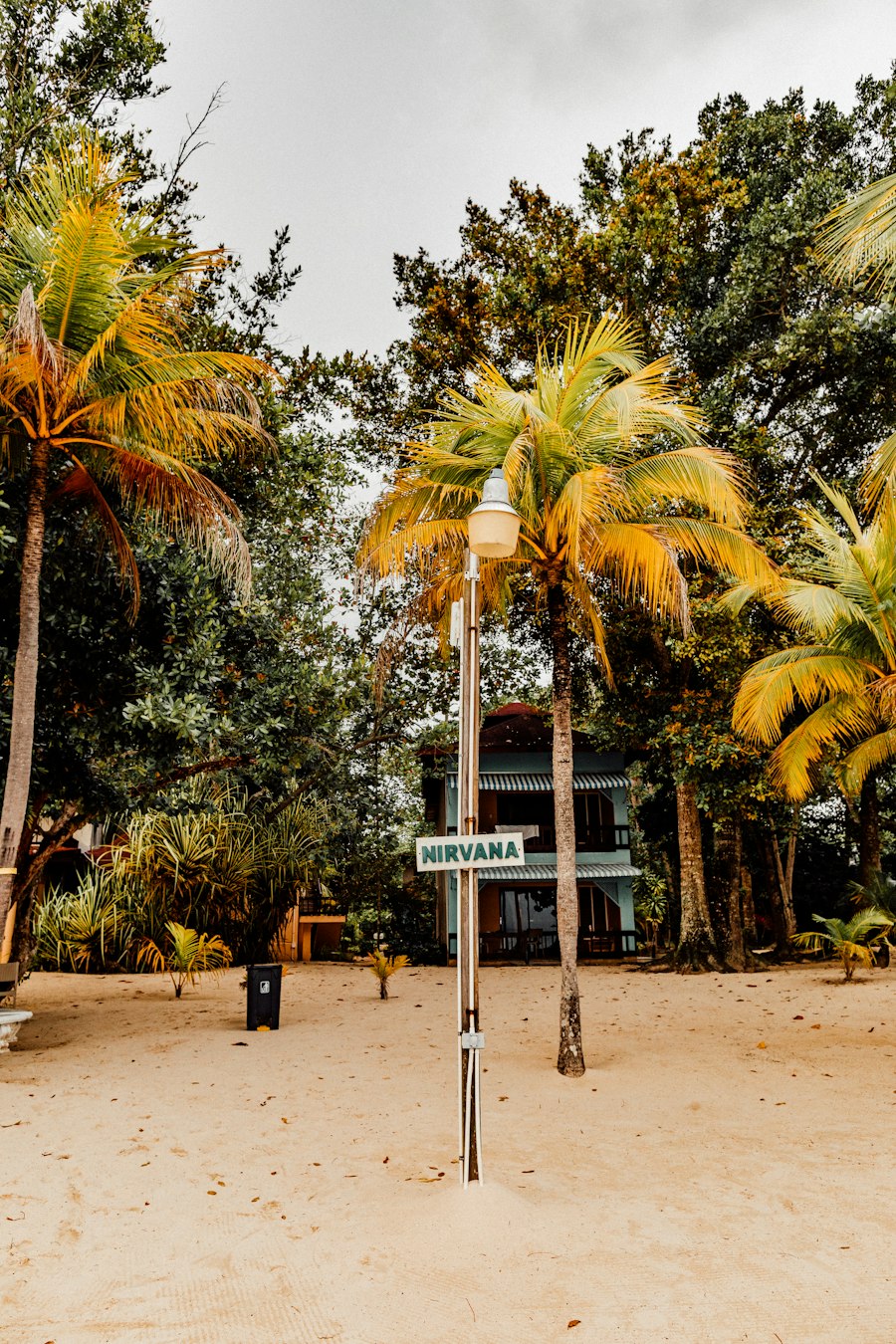
Negril
Beachfront hotels on Seven Mile Beach or cliffside cottages on the West End. The best all-round base for a relaxed trip.
See hotelsExpedia →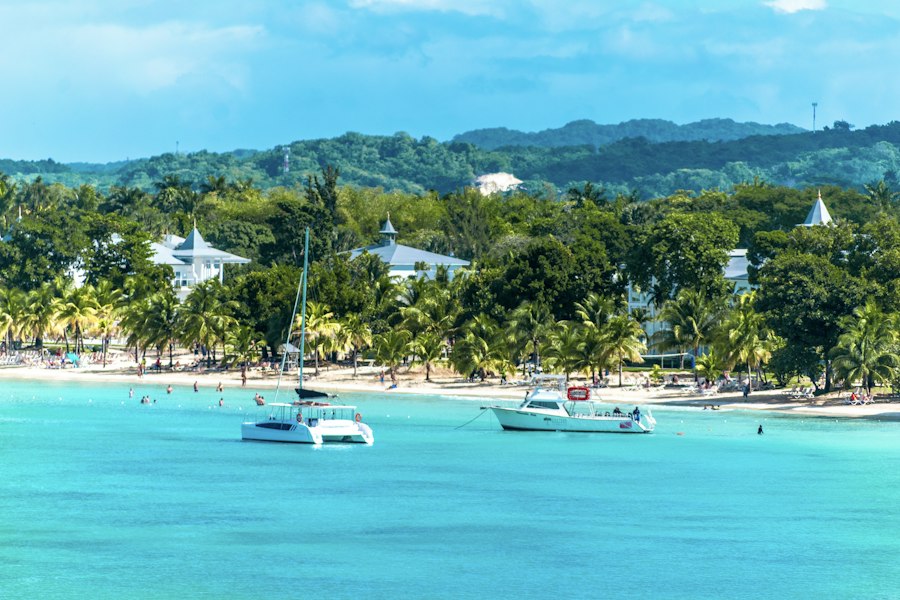
Montego Bay
Close to the airport, with the widest choice of resorts and all-inclusives. Ideal for the first or last night.
See hotelsExpedia →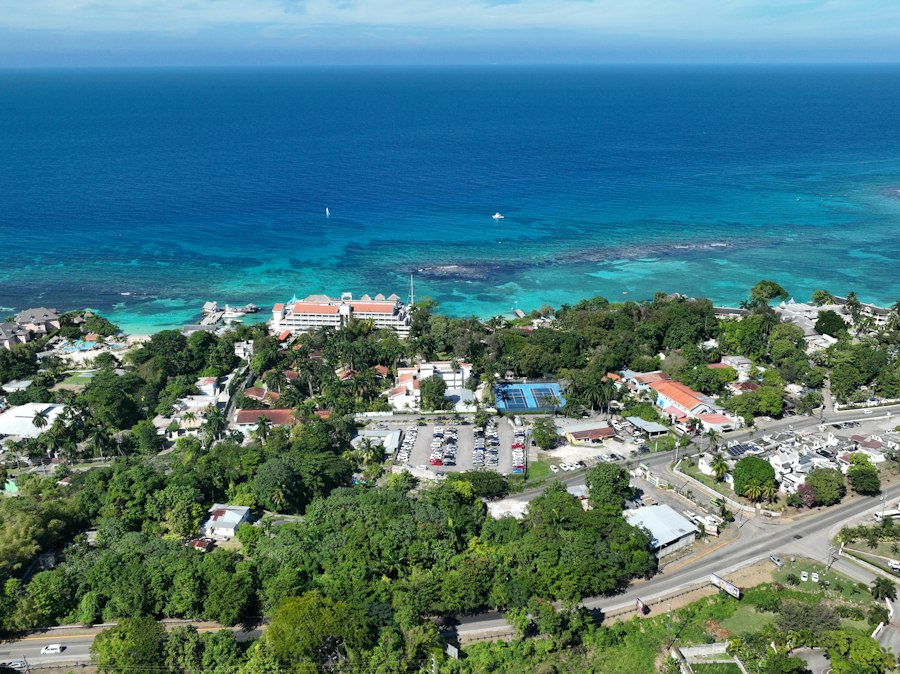
Ocho Rios
Central on the north coast for Dunn's River Falls and other excursions, with resorts and villas.
See hotelsExpedia →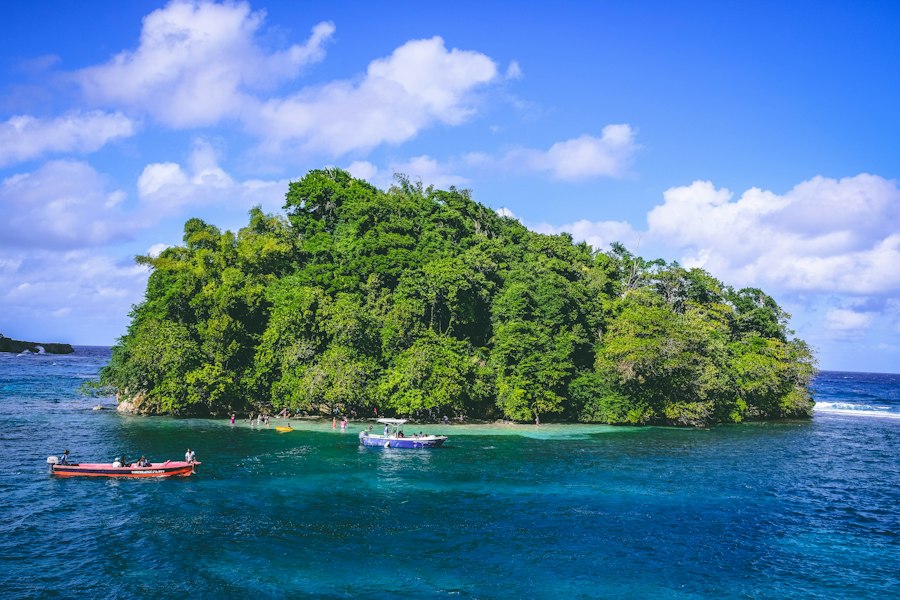
Port Antonio
Boutique hotels and villas in lush green surroundings, for travellers who want nature and quiet.
See hotelsExpedia →Buying through these links supports these guides.
Hurricane season and the 2025 hurricane
Hurricane season runs from June to November, with the highest risk between August and October. Storms are tracked days in advance, and resorts are experienced in handling them, but it's the one time of year when travel insurance and flexible bookings really matter.
Hurricane Melissa hit western Jamaica in October 2025. By autumn 2026 the airports and cruise ports were fully running, Negril, Montego Bay and Ocho Rios were open, and most hotels had reopened, with the remaining rooms expected back by early 2027. If you're booking on the south coast, check your hotel is open.
All-inclusive or guesthouse?
All-inclusive resorts are easy: food, drinks and activities in one price, often with airport transfers. The trade-off is that you may see little of the real island, and eating jerk at a roadside stand or listening to a sound system is half the point of Jamaica.
A good compromise: a few nights in a resort for pure relaxation, and a few in a guesthouse or boutique hotel in Negril's West End, Treasure Beach or Port Antonio, where local restaurants and beach bars are on your doorstep.
What to eat and drink
- Jerk: Chicken or pork marinated in scotch bonnet and allspice, smoked over pimento wood. Boston Bay near Port Antonio is where it started.
- Ackee and saltfish: The national dish, usually for breakfast, with fried dumplings or breadfruit.
- Patties: Flaky pastries filled with spiced beef, chicken or vegetables: the classic snack.
- Curry goat and rice and peas: Sunday favourites; the "peas" are kidney beans cooked in coconut milk.
- Blue Mountain coffee: Among the world's most prized coffees, best tasted on a farm tour in the mountains.
- Rum: Try it neat, in a rum punch, or on a distillery tour such as Appleton Estate.
Music, culture and etiquette
Reggae was born in Jamaica, and music is everywhere: from the Bob Marley Museum in Kingston to beach sound systems and summer festivals such as Reggae Sumfest in Montego Bay.
Jamaicans are warm and direct. Greet people before asking for anything ("good morning" goes a long way), and ask before taking photos of people. Tipping 10–15% is customary where service isn't already included.
- Offers and vendors: On popular beaches you'll be offered souvenirs, tours and rides. A friendly "no thanks, I'm good" is enough.
- Cannabis: Small personal amounts are decriminalised, but smoking in public is not allowed and you can't take any off the island.
- Getting around at night: Use a licensed taxi (red PPV plates) or your hotel's driver rather than walking long distances at night, as you would in many cities.
Before you go
Entry and visa
Citizens of the UK, the US, Canada, the EU and Australia don't need a visa for tourist stays; your passport should be valid for your whole stay (six months is safest), and you'll need an onward or return ticket.
Flights
Most flights land at Sangster International in Montego Bay; Kingston's Norman Manley airport is closer to the Blue Mountains. There are nonstop flights from London and many US cities.
Money
The currency is the Jamaican dollar (JMD), but US dollars are widely accepted in tourist areas. Cards work in hotels and restaurants; carry cash for markets, taxis and jerk stands.
Plugs and connectivity
Jamaica uses US-style Type A/B sockets (110 V). SIM cards from Digicel or Flow are sold at the airport.
Getting around Jamaica
Knutsford Express
Comfortable, air-conditioned coaches linking Montego Bay, Negril, Ocho Rios, Kingston and more. The easiest budget option.
Licensed taxis and drivers
Use taxis with red PPV plates and agree the fare before you go; many hotels arrange drivers for day trips.
Rental car
Gives freedom, but Jamaica drives on the left, roads are narrow and winding, and driving at night is best avoided.
Route taxis
Shared taxis on fixed routes are cheap and local; ask your host how they work in your area.
How much does a trip to Jamaica cost?
Budget
€60–90 / day- Guesthouse or hostel
- Jerk stands and local cookshops
- Knutsford Express and route taxis
Mid-range
€140–220 / day- Boutique hotel or villa room
- Restaurants and a few tours
- Private drivers for some transfers
All-inclusive
€250+ / day- Resort with food and drinks
- Airport transfers
- Excursions extra
What to pack for Jamaica
Insect repellent
Mosquitoes are active around dusk, especially after rain. A tropical-strength repellent is essential.
View on AmazonAmazon →Waterproof phone pouch
For Dunn's River Falls, river rafting and boat trips to the Pelican Bar.
View on AmazonAmazon →US-plug adapter
Jamaica uses Type A/B sockets. Needed unless you're travelling from North America.
View on AmazonAmazon →High-SPF sunscreen
The Caribbean sun is strong year-round; choose a reef-friendly formula if you can.
View on AmazonAmazon →Buying through these links supports these guides.
Book before you go
Dunn's River Falls, rafting and catamaran trips are best booked ahead, especially in peak season.
Jamaica eSIM
Be online from the moment you land, without queuing for a SIM at the airport.
Get an eSIMAiralo →Buying through these links supports these guides.
Quick tips
Water
Tap water is generally treated in tourist areas, but many visitors stick to bottled water.
Cruise days
Check cruise schedules and visit Dunn's River Falls early or on non-cruise days.
Water shoes
Useful for climbing the falls and rocky beaches.
Island time
Things move slowly; build in buffer time for transfers.
Cash in small notes
Handy for tips, jerk stands and route taxis.
Respect the reef
Don't touch coral, and use reef-friendly sunscreen.
Jamaica travel FAQ
When is the best time to visit Jamaica?
Mid-December to April for the most reliable dry weather. May, June and November are good-value shoulder months; August to October has the highest hurricane risk.
Is Jamaica open after Hurricane Melissa?
Yes. Airports and cruise ports are running, and Negril, Montego Bay and Ocho Rios are open, with most hotels reopened by 2026. Check your specific hotel, especially on the south coast.
How many days do you need in Jamaica?
7 days covers Negril and the north coast; 10 days lets you add Port Antonio, the Blue Mountains and Kingston.
Where is the best place to stay in Jamaica?
Negril for beaches and sunsets, Montego Bay for airport access and resorts, Ocho Rios for excursions, and Port Antonio for nature and quiet.
Do I need a visa for Jamaica?
Not if you're from the UK, the US, Canada, the EU or Australia and visiting as a tourist. You'll need a valid passport and an onward ticket.
Can I use US dollars in Jamaica?
Yes, widely in tourist areas, though change is often given in Jamaican dollars. Local markets and route taxis prefer JMD.
Do I need a plug adapter in Jamaica?
Jamaica uses US-style Type A/B plugs at 110 V, so travellers from the UK and Europe need an adapter.

Planning a trip to Jamaica?
If you'd like help planning your route and where to stay, I'm here.
Work with me